


In LED lighting, safety and certification aren’t extras; they’re essential. Every fixture installed in a warehouse, parking lot, or retail space carries potential electrical and fire risks if not properly built and tested. Choosing certified lighting isn’t just about compliance; it’s about protecting people, property, and performance. UL certification has become one of the most trusted ways to verify that a lighting product meets strict safety and reliability standards.
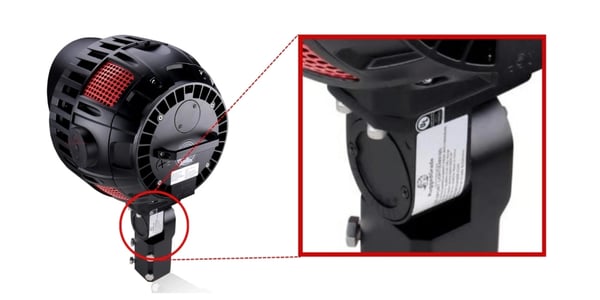
What Is UL Certification?
UL certification confirms that a product has been tested to meet specific safety, performance, and fire-resistance requirements. The UL listed meaning refers to approval from Underwriters Laboratories (UL), an independent organization that has been setting and enforcing safety standards for over a century. Their testing process evaluates how products perform under both normal and extreme conditions, ensuring that they remain safe to use. UL is one of several laboratories OSHA formally recognizes as a Nationally Recognized Testing Laboratory (NRTL); others include Intertek (ETL) and CSA Group.
UL operates as a third-party testing laboratory, meaning manufacturers can’t simply claim compliance. They must submit their products for testing, pass a detailed inspection, and undergo regular follow-ups to maintain certification. This independence gives consumers, contractors, and inspectors confidence that a UL-certified product truly meets safety expectations. After initial listing, UL runs quarterly unannounced follow-up inspections at the factory to confirm the product shipping today matches the product that was originally tested — the surveillance step that gives the mark its weight with inspectors and insurance carriers.
UL’s certifications are divided into three main designations, each with a specific purpose:
- UL Listed – This label applies to complete products ready for installation. For example, a finished LED fixture that has passed all electrical and fire safety tests can be UL Listed. It indicates that the entire unit has been evaluated as safe for use in its intended environment.
- UL Recognized – This designation is for components that are part of a larger system, such as LED drivers or internal wiring. These parts are tested for safe performance within a complete product but are not meant for standalone use.
- UL Classified – Products with this mark have been tested for particular hazards or properties. It’s used when testing focuses on specific conditions rather than a product’s overall safety in all applications.
Understanding these designations helps you make informed choices. When you see a UL mark, you’re not just looking at a label; you’re looking at proof that your lighting system has been built and tested to perform safely for years to come. On bid packages this distinction matters: if a spec calls for “UL Listed,” substituting a fixture with only UL Recognized components will typically fail inspection even if the internal driver is itself a Listed assembly.
Which UL Standards Apply to LED Lighting?
UL certification is never a single test. It is a product file evaluated against one or more published standards. For commercial and industrial LED lighting, four standards do most of the work:
- UL 1598 – Luminaires. The umbrella standard for complete indoor and outdoor luminaires in general use. Covers enclosure construction, wiring, spacing, grounding, ingress protection for wet and damp locations, and thermal performance. Parking lot lights, wall packs, high bays, stadium fixtures, and wall sconces are Listed under UL 1598.
- UL 8750 – LED Light Engines and Drivers. The component-level standard for LED drivers, engines, and arrays. Focuses on isolation, dielectric strength, and abnormal operation of the drive electronics. UL 8750 is almost always paired with UL 1598 inside a finished fixture file.
- UL 924 – Emergency Lighting and Power Equipment. Required for any fixture used on a life-safety egress path, including exit signs and battery-backup emergency luminaires. Authorities having jurisdiction (AHJs) enforce it through NFPA 101 Life Safety Code.
- UL 62368 – Information Technology and Control Equipment. Relevant when a lighting system includes network controls, sensors, or PoE-powered fixtures. UL 62368 is the unified standard replacing legacy 60950 and 60065.
Every UL file lists which standards the product was evaluated under. A fixture listed under UL 1598 alone is fine for general luminaire service; a fixture that must serve double duty as a general luminaire and as an emergency egress light requires both UL 1598 and UL 924. Missing UL 924 is one of the most common reasons a fixture gets rejected at final inspection in commercial buildings.
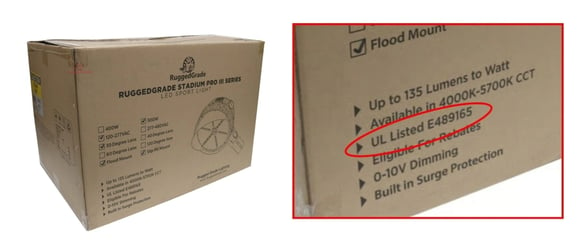
Understanding Our UL File Number: E489165
Every UL-certified product has a specific file number that ties back to its official testing record. For our lighting line, that number is E489165. This isn’t just an internal code, it’s proof that our products have been thoroughly evaluated and approved by Underwriters Laboratories for safety, electrical reliability, and performance.
The E489165 listing identifies our certified LED lighting products within UL’s database, confirming that they meet or exceed national safety standards. The file covers fixtures in the Luminaires (IEUX) and LED Drivers (OOLV) UL categories. Inside the file, each finished product is evaluated for:
- Electrical safety, to prevent shock or fire risks — dielectric withstand, leakage current, grounding continuity, and short-circuit protection.
- Performance consistency, ensuring the lights operate as intended over time — temperature rise on housings, lenses, and internal components at rated voltage and under abnormal operation.
- Material quality, including housing, wiring, and insulation durability — enclosure impact resistance, lens clarity retention, wet-location gasket sealing, and UL 94 flame ratings on polymers.
Customers and inspectors can easily confirm this certification. UL maintains a public database called UL Product iQ, which allows anyone to look up a company’s certification status. By searching the E489165 number, users can view our official listing, verify product categories, and confirm that our lights are listed under active compliance.
This level of transparency matters. It means you can trust that our UL listed LED lights have passed every stage of testing, not just once, but continuously through follow-up audits. The E489165 listing stands as a commitment to safe, dependable lighting backed by third-party validation.
How to Verify a UL Certification
UL makes it simple to check a certification before you buy. Here’s how to verify ours, or any UL-certified product, yourself:
1. Go to the UL Product iQ website at productiq.ulprospector.com and select the File Number search option.
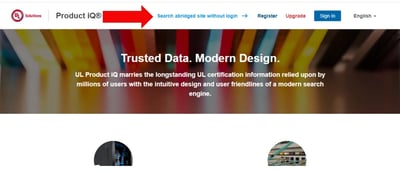
2. Use the search bar to enter the file number E489165 or type in the manufacturer’s name. File-number search is always more reliable; brand names can be cloned on counterfeit listings.
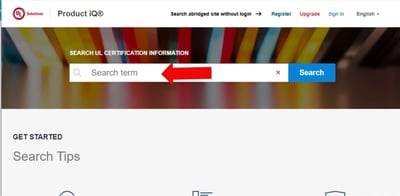
3. Review the product details shown, including the category, company, and listing status. Confirm the UL standards evaluated (UL 1598 for luminaires, UL 8750 for drivers) and that the current status is Active.
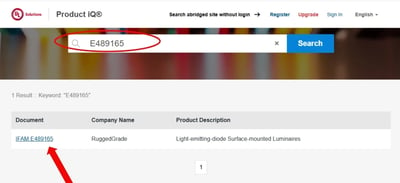
You’ll see confirmation that the product is officially listed and active. This is the most reliable way to avoid counterfeit or unverified claims.
Always look for the UL Listed symbol on your lighting product or packaging. It’s an assurance that your fixture isn’t just another LED; it’s certified to meet the highest industry standards for safety and quality. A UL mark without a file number that resolves in Product iQ is a red flag — it is not a listing.
Why UL Certification Matters for LED Lighting
In the lighting industry, UL certification is more than a badge; it’s a safeguard. Electrical components, heat output, and driver performance all play a role in how safe and reliable a fixture will be once installed. UL testing confirms that these systems work together correctly, preventing hazards that could lead to failure, injury, or costly damage.
Here’s why it matters:
- Electrical and fire safety – UL testing identifies and eliminates potential shock or ignition risks before products ever reach the market.
- Quality manufacturing – Certified fixtures meet strict production and material standards that directly affect long-term performance.
- Code and insurance compliance – Many local building codes and insurance providers require UL listed equipment for approval and coverage. NFPA 70 (the National Electrical Code) Article 110.3(B) specifically requires listed equipment to be used in accordance with its listing.
- Peace of mind – Contractors, property managers, and end users can trust that each fixture meets consistent safety and performance benchmarks.
Uncertified lighting products often cut corners. They may use low-quality wiring or drivers that fail prematurely, overheat, or create short circuits. While they might cost less upfront, uncertified lights can end up being an expensive liability — claims involving an unlisted fixture as the ignition source are routinely denied by commercial property insurance carriers.
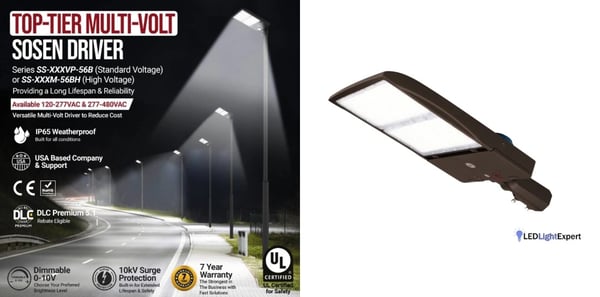
UL vs. ETL vs. CSA: Which NRTL Matters?
UL is the most recognized NRTL in the United States, but it is not the only accepted one. OSHA currently recognizes more than a dozen NRTLs, including Intertek (ETL), CSA Group, MET Labs, and TUV Rheinland. All of them test against the same U.S. standards — UL 1598, UL 8750, UL 924 — and a listing from any accredited NRTL satisfies NEC 110.3(B) and NFPA 70.
A few practical notes for specifiers:
- ETL-Listed is fully equivalent to UL-Listed for code purposes when the same standard is cited. ETL is common on lighting manufactured in North America and Asia.
- CSA covers the Canadian market but also operates in the U.S.; a cUL or cETL mark indicates dual Canadian and U.S. listing.
- CE marks are not NRTL listings. CE is the European equivalent and does not satisfy U.S. building codes. Imported fixtures that bear only a CE mark will typically fail U.S. inspection.
- Check the file, not the logo. A UL holographic sticker with no resolvable file number in Product iQ is a red flag. Same goes for ETL marks — Intertek publishes its directory at bpdirectory.intertek.com.
Why UL Listed LED Lights Protect Your Investment
Choosing UL listed LED lights means choosing long-term value. Every certified fixture is built to perform safely under real-world conditions, reducing maintenance issues and extending service life.
UL certification verifies key aspects of LED construction:
- Thermal management – Ensures fixtures can handle heat properly without warping, discoloration, or internal failure. The test confirms the LED junction temperature stays within the manufacturer’s rating so lumen depreciation tracks the LM-80 curve.
- Electrical component quality – Confirms stable operation without flicker, surge damage, or circuit faults. Driver isolation, dielectric strength, and abnormal-operation behavior are all part of the UL 8750 test battery.
- Material safety – Validates that housings, lenses, and wiring are made from non-flammable, non-toxic materials. Polymer parts carry UL 94 flame ratings and outdoor housings are tested for UV stability.
Financially, these benefits compound over time:
- Lower energy waste through efficient operation.
- Fewer replacements or repairs due to consistent performance.
- Eligibility for rebates or extended warranties, since many programs only recognize UL-certified products. Most utility rebates and DesignLights Consortium (DLC) listings require NRTL certification as a prerequisite.
The Bottom Line
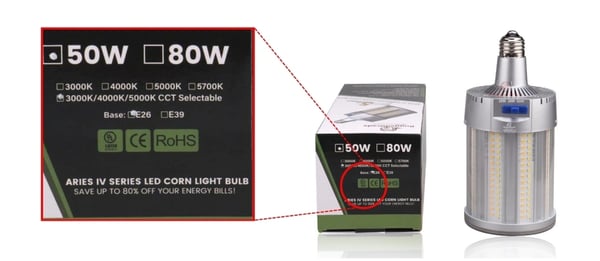
The UL mark represents integrity, safety, and tested reliability. It shows that a product isn’t just designed well, it’s been proven to meet the standards that keep people safe. With our E489165 listing, every fixture we sell has been verified by independent experts to perform safely and efficiently.
For businesses, contractors, and homeowners, that means confidence in every installation. UL certification is not a formality; it documents that the product was evaluated to applicable safety requirements. Long-term performance still depends on fixture quality, installation, environment, and maintenance.
References & Further Reading
UL Certification LED: Buyer and Maintenance Checks
A good decision on UL certification for LEDs starts with the real installation conditions, not just the product name. Check the application, mounting height, voltage, light level, glare, controls, wet or dust exposure, service access, and whether a photometric layout or qualified installer is needed before ordering.
| Check | Why it matters |
|---|---|
| Application | Confirms the fixture, lamp, control, or accessory fits the actual space and task. |
| Mounting and wiring | Prevents fit, voltage, access, and safety problems during installation. |
| Controls and maintenance | Protects energy savings, usability, troubleshooting, and long-term performance. |
Frequently Asked Questions
- What does UL certification mean for LED lighting?
- UL certification means the fixture has been tested by Underwriters Laboratories (UL), a Nationally Recognized Testing Laboratory (NRTL), against a published safety standard. For LED lighting, the core standards are UL 1598 for luminaires and UL 8750 for LED light engines and drivers. A UL Listed mark confirms the complete fixture passed initial testing and that the manufacturer is subject to periodic follow-up audits.
- What is the difference between UL Listed, UL Recognized, and UL Classified?
- UL Listed applies to finished products ready for installation, such as a complete LED fixture. UL Recognized applies to components that are only safe for use inside a larger Listed product, such as an LED driver, power supply, or wiring harness. UL Classified applies to products evaluated only for specific properties or hazards, not general safety. Specifiers should look for the UL Listed mark on the finished fixture.
- How do I look up our E489165 file on UL Product iQ?
- Go to productiq.ulprospector.com, select the File Number search option, and enter E489165. The result returns the company name on file, product categories covered, the current listing status, and the UL standards the file is built on. Active status means the factory is under current UL follow-up service. Always verify by file number rather than by brand name to avoid counterfeit marks.
- Is UL certification legally required for LED lighting in the United States?
- Federal law does not mandate UL specifically, but NFPA 70 (the National Electrical Code) and most state and local building codes require electrical equipment to be listed by an OSHA-recognized NRTL. UL is the most common NRTL, but ETL (Intertek) and CSA also qualify. An unlisted fixture will typically fail inspection and can void property insurance. Commercial specifications almost always require NRTL listing.
- Does UL certification prove long life or high performance?
- No. UL standards test for electrical and fire safety under normal and abnormal conditions. Lumen maintenance, color stability, and driver life are covered by separate standards such as LM-80, TM-21, and ENERGY STAR. A UL Listed fixture with a poorly specified driver can still fail early. Pair the UL mark with LM-80, TM-21, and DesignLights Consortium (DLC) data to evaluate long-term performance.
- What is UL 924 and when do I need it?
- UL 924 is the safety standard for emergency lighting and power equipment. Any fixture used for life-safety egress lighting, exit signs, or battery-backup emergency lighting must be UL 924 listed. This is separate from UL 1598 general luminaire listing. For projects subject to NFPA 101 Life Safety Code, UL 924 is almost always specified by the authority having jurisdiction (AHJ).
Related Articles
Ready to upgrade? Tell us the space and we will size it with you.
Our lighting specialists can help compare options, confirm light levels, and quote the right products for your project.
Call 800-674-9420 or email [email protected]
Monday-Friday, 8am-5pm PST

About the Author
Dara Greaney is founder and CEO of LED Light Expert with deep expertise in commercial LED lighting, retrofits, and photometric planning.
Editing by David Peguero

Trusted by Thousands
Our customers love us — and we love them back.


-
 Free Shipping
On orders over $49.00
-
 Free Extended Warranty
Up to 7 Years Free Warranty On LED Lights
-
100% Satisfaction Guarantee
