


Only if it is refreshed around durable buying lessons rather than dated predictions.
LED Lighting Trends That Still Matter
Older lighting-trend content needs a refresh because the market has moved. The durable lesson is not that one year had a special style. It is that buyers now expect LED lighting to be efficient, controllable, comfortable, easier to maintain, and better matched to the application. The trends that matter are the ones that still help people make better buying decisions.
What to Check First
- Separate fashion trends from performance trends that affect comfort, energy, and maintenance.
- Look for controls, dimming, sensor compatibility, color quality, and glare management.
- Use product data and site conditions instead of relying on broad savings claims.
Application Decision Table
| Use Case | Practical Guidance |
|---|---|
| Controls and sensors | Useful when spaces are intermittently occupied or exterior lights run long hours. |
| Better color quality | Important for retail, hospitality, homes, offices, and any space where finishes matter. |
| Responsible outdoor lighting | Use shielding, lower glare, warmer CCT where appropriate, and schedules. |
Seven Trends Worth Keeping
- Smarter controls and scheduling.
- Lighting designed around comfort and glare.
- Higher-quality color rendering for task and display spaces.
- Retrofits that preserve useful housings when the site allows.
- Solar lighting for selective remote or low-load applications.
- Better outdoor shielding and spill control.
- Buying by lumens, optics, and use case instead of watts.
Common Mistakes to Avoid
- Leaving outdated year-specific advice in place.
- Treating every new feature as useful for every site.
- Using broad savings claims without site math.
Which Lighting Trends Are Still Useful?
Old trend lists age quickly, but the useful LED lighting trends are the ones that change buying decisions. Focus on controls, glare, color quality, retrofit planning, and fixtures that are easier to maintain. Skip novelty features unless they solve a real problem for the space.
| Trend | Useful question |
|---|---|
| Smart controls | Will schedules, dimming, or sensors reduce wasted runtime? |
| Better color quality | Do people need accurate color, comfort, or better visual inspection? |
| Retrofit planning | Can the existing housing or mounting point be reused safely? |
| Glare control | Will people see the task clearly without harsh light in their eyes? |
More Details to Consider
Older trend lists should be refreshed around durable buying lessons. Instead of treating 2020 as a current forecast, focus on the trends that still help people make better lighting decisions: controls, comfort, color quality, glare control, retrofit planning, and responsible outdoor light.
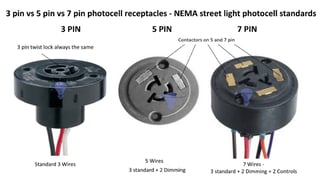
Smart controls remain useful when they solve a real problem. Sensors, dimming, timers, photocells, and schedules can reduce wasted run time in closets, warehouses, parking lots, exterior areas, and rooms with changing use.
Quality of light matters more than novelty. CRI, R9, flicker, glare, CCT, and dimming compatibility can affect how a space looks and feels. Decorative lamps, filament-style LEDs, accent strips, and color-changing products are useful only when they support the room rather than distract from it.
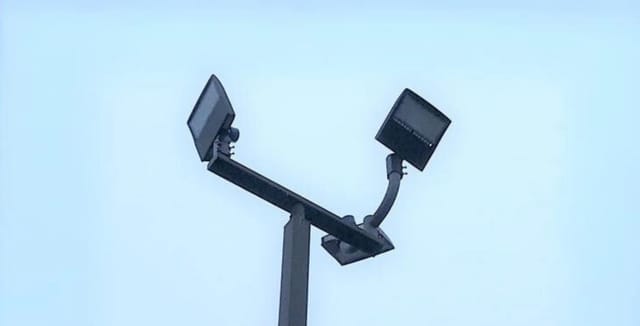
Outdoor lighting trends have also moved toward better shielding and spill control. Aim light downward, choose sensible output, use warmer CCT where appropriate, and control run hours so the site is visible without wasting light.
The best trend is still application-specific design. Buy by lumens, optics, controls, rating, and use case instead of chasing a style that may age quickly.
Frequently Asked Questions
- Is older lighting-trend content still useful?
- Only if it is refreshed around durable buying lessons rather than dated predictions.
- What trend matters most now?
- Controls and application-specific design matter more than decorative trend language.
- Are smart lights always worth it?
- No. They are useful when controls solve a real run-hour, convenience, or scheduling problem.
- What should buyers avoid?
- Avoid broad claims that do not reflect the room, site, controls, or utility rate.

Ready to Upgrade Your LED Lighting?
Our lighting specialists can help compare fixtures, confirm light levels, and quote products that fit the site.
Call 800-674-9420 or email [email protected]
Monday-Friday, 8am-5pm PST

About the Author
Dara Greaney is founder and CEO of LED Light Expert with deep expertise in commercial LED lighting, retrofits, and photometric planning.
Editing by David Peguero
3 Comments
Gaurav Joshi
Very interesting article! Indeed the commercial lighting market has huge scope in Europe and U.S. Market. We have done in-depth research on the commercial LED market covering all the latest trends in the commercial, industrial as well as residential LED lighting market
G.A. Gordi Moore, CLMC, retired
I’m going to be critical of the information in this article because It is poorly written, not accurate, and the writer obviously knows little about the subject of illumination. CRI means colour rendering index. An item of importance in the lights we choose is colour temperature. CRI is a value which measures a light source’s ability to show an object’s accurate, natural colors when compared to a reference light source such as sunlight. CRI has a maximum score of 100. Light sources with a higher CRI, like 80 or 90 or 100, are best for showing off the most accurate colors. There is much more to address the subject of lighting. Your article tries to expand on the subject but does it poorly.
kimmy kervel
Thanks for sharing this precious information with us this help me a lot in my project as well so now i hope you to add some more information like this in future as well


