


They are often a strong choice, but the product still has to fit the application, fixture, controls, and environment.
Why LED Lighting Leads Energy-Efficient Lighting
LED lighting is no longer an emerging technology waiting to prove itself. It is the default choice for many residential, commercial, industrial, and outdoor applications because it can deliver useful light with less energy, better optical control, long service life, and more control options than older technologies. The right product still has to match the fixture, location, dimmer, rating, and task.
What to Check First
- Compare lumens, CCT, CRI, beam angle, dimming, listing, and environmental rating instead of wattage alone.
- Use controls where run hours are high or spaces are often empty.
- Check heat, enclosed-fixture limits, driver quality, and warranty support before buying.
Application Decision Table
| Use Case | Practical Guidance |
|---|---|
| Home replacement bulbs | Match base, shape, lumens, CCT, dimmer compatibility, and enclosed rating. |
| Commercial fixtures | Use delivered light, mounting height, controls, and maintenance records. |
| Outdoor lighting | Check wet rating, shielding, CCT, surge protection, and service access. |
Why LEDs Usually Win the Comparison
- They put more of the energy into useful light.
- Directional light can reduce wasted reflector losses.
- Controls are easier to integrate.
- Longer service life can reduce lamp-change labor in high or hard-to-reach areas.
- Product variety is now broad enough for most common applications.
Common Mistakes to Avoid
- Calling LEDs service-free.
- Using old wattage as the main buying metric.
- Assuming every LED product has the same color quality, lifetime, or dimming behavior.
What Makes LED Lighting Energy Efficient?
LED efficiency is not only lower wattage. LEDs can direct light more precisely, produce useful lumens with less wasted heat, work with controls, and reduce maintenance in hard-to-reach spaces. The best savings come when the replacement matches the task instead of simply using the brightest product available.
| Efficiency factor | Why it matters |
|---|---|
| Lumens per watt | Compares useful light output to energy used. |
| Optical control | Puts light where it is needed instead of wasting it. |
| Controls | Dimming, sensors, and scheduling reduce unnecessary runtime. |
More Details to Consider
LED lighting leads many energy-efficient lighting projects because it can deliver useful lumens with lower wattage, better optical control, and more control options than older technologies. That advantage is strongest when the product matches the fixture, space, dimmer, environmental rating, and task.
The best comparison starts with lumens per watt, but it should not stop there. Beam angle, CRI, CCT, driver quality, dimming behavior, heat management, wet-location rating, and warranty support all affect the real result.
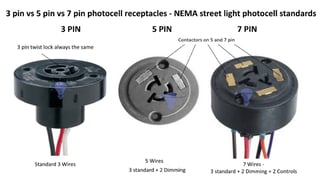
Controls are a major part of the savings story. Sensors, timers, photocells, daylight controls, and schedules can reduce unnecessary run time. A lower-watt LED still wastes energy if it runs when no one needs the light.
LEDs can also reduce maintenance in hard-to-reach areas by removing many older lamp replacement cycles. They are not service-free. LED products age, drivers can fail, and heat, poor power quality, water intrusion, or incompatible dimmers can shorten service life.
For homes, businesses, industrial sites, and outdoor lighting, LED is usually the practical starting point. The final product choice should still be based on fit, light quality, controls, safety listing, and the actual use of the space.
Frequently Asked Questions
- Are LEDs the right choice for every site?
- They are often a strong choice, but the product still has to fit the application, fixture, controls, and environment.
- Should I buy by watts or lumens?
- Buy by lumens and light quality. Watts tell you energy use, not whether the space will have enough useful light.
- How long do LEDs last?
- Rated life varies by product, but LED products age, drivers can fail, and heat or poor power quality can shorten service life.
- Do LEDs contain mercury like CFLs?
- LEDs do not use mercury vapor the way CFLs do, but spent LED products should still be handled according to local electronic-waste rules.

Ready to Upgrade Your LED Lighting?
Our lighting specialists can help compare fixtures, confirm light levels, and quote products that fit the site.
Call 800-674-9420 or email [email protected]
Monday-Friday, 8am-5pm PST

About the Author
Dara Greaney is founder and CEO of LED Light Expert with deep expertise in commercial LED lighting, retrofits, and photometric planning.
Editing by David Peguero
2 Comments
Usman
Really good information about led lights with great content. Thanks
Kim John
Hi James, You have made an excellent article!! In which you are talking about energy-efficient LED. It's true, I agree with it but Some of the people are still using old fluorescent lights and they are paying huge electricity bills and a bulb buying problem. Why this is the high time to replace the lighting option and reduce energy cost, maintenance-free, and Longer life span as compared to the traditional lighting system. I have been using LED bulbs for the last 6 weeks. After replacing the CFL bulb to LED. I have saved money and energy costs.


