

Quick Answer
Install them when the site plan, wiring, mounting, aiming, and testing conditions are ready.
Planning LED Flood Light Installation
Flood lights should be installed when the site, mounting, wiring, and aiming plan are ready, not simply because the calendar says it is a good month. Good planning reduces glare, dark spots, water-entry problems, and service headaches.
What to Check First
- Define the target area, mounting height, beam angle, wet rating, voltage, controls, and glare-sensitive views.
- Use shielded aiming and warm or neutral CCT where neighboring properties or night-sky concerns matter.
- Schedule installation when access is safe and the site can be tested after dark.
Application Decision Table
| Use Case | Practical Guidance |
|---|---|
| Security and camera zones | Even coverage and glare control usually help more than raw brightness. |
| Loading docks and yards | Review vertical visibility, truck paths, wall mounting, and controls. |
| Signs and facades | Use controlled beams and lower output so the light stays on the surface. |
Common Mistakes to Avoid
- Aiming flood lights straight outward instead of at the target.
- Using more lumens to fix a layout problem.
- Skipping after-dark commissioning and leaving fixtures poorly aimed.
What to Decide Before Installing LED Flood Lights
Flood lights are bought for security, work light, sports practice, yards, signs, loading areas, and building perimeters. The best choice depends on the target area, mounting height, beam angle, glare control, switch or sensor plan, weather exposure, and whether the fixture needs a knuckle, yoke, slip fitter, or trunnion mount.
| Decision | Practical direction |
|---|---|
| Beam angle | Use narrow beams for longer throw and wider beams for broad nearby coverage. |
| Output | Choose lumens from the task and distance, not from old wattage alone. |
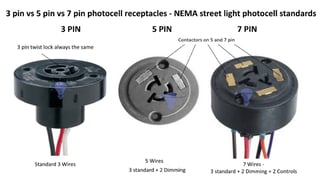
| Controls | Photocells, timers, motion sensors, and switches should match voltage and use case. |
| IR and heat | LED flood lights generally emit far less infrared heat toward the target than halogen, but fixture heat management still matters. |
| Outdoor rating | Check wet-location listing, IP rating, gasket quality, aiming angle, and cable entry. |
Installation timing matters most when lifts, trenching, pole work, or facility downtime are involved. Plan before peak weather, busy retail seasons, sports schedules, or security-sensitive periods.
More Details to Consider
Upgrade Your Outdoor Lighting with LED Flood Lights. Summer is here, bringing long, warm nights perfect for outdoor gatherings. Enhance your nighttime backyard experience with efficient, long-lasting, and cost-effective LED Flood Lights, tailored to suit your space. Now is also the ideal time to bolster your home's security and safety through strategic lighting placement. By installing lights during the warmer months, you ensure a well-lit outdoor space come fall, avoiding any installation hassles in colder weather. LED flood lights are a top choice for outdoor illumination due to their durability and eco-friendly nature.
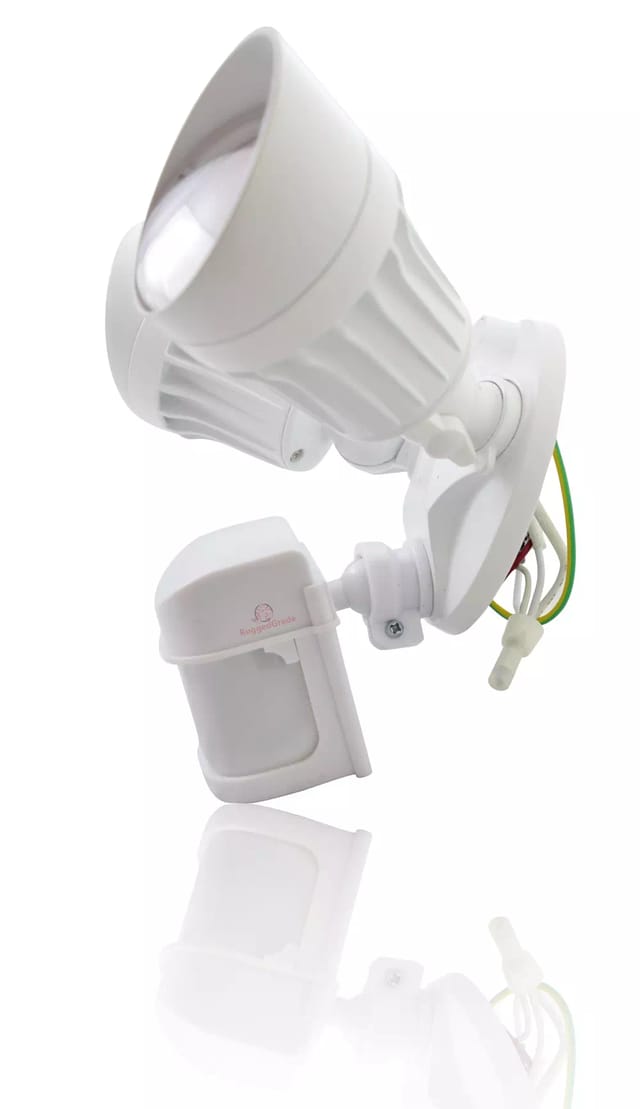
They not only cut down on energy costs but also save you time and effort in maintenance. Considering lighting up your outdoor spaces this summer? Here are five compelling reasons why LED flood lights are an excellent choice for any homeowner. What are the Various Types of LED Flood Lights? These versatile fixtures can be installed with or without motion sensors, catering to various lighting needs. Available in single or dual-head designs, wall-mounted LED flood lights are predominantly utilized for enhancing security around properties.
LED Motion Flood Lights, in particular, are sought after for their capability to illuminate spaces upon detecting movement, offering an additional layer of security. Characterized by their independence from wired power sources, solar flood lights harness energy directly from the sun. Modern versions of these Solar Flood Lights are impressively efficient, capable of lasting between 3-5 nights on a single charge. This feature makes them especially beneficial in sunny southern regions, although they also find practical applications in middle and northern states.
Also known as parking lot lights or street lights, these flood lights are engineered to illuminate expansive areas uniformly. Whether referred to as parking lot floods or street lights, their primary function remains the same - to ensure well-lit and safe outdoor spaces. Known for their flexibility, portable or temporary flood lights serve as an ideal solution for settings that require temporary or movable illumination. Commonly used in construction sites or during events, these lights provide bright, directional lighting exactly where it's needed.
Ensuring that athletic activities can continue into the evening hours, sport flood lights enhance visibility in outdoor sporting arenas. From a basketball hoop mounted on a garage to a full-sized sports court, the proper lighting ensures fun and safety during nighttime play. Compact yet potent, 12-volt landscape flood lights can transform a yard, adding aesthetic appeal and increasing security. By illuminating dark areas, these lights contribute to a safer and more inviting outdoor environment. Specially designed for industrial applications, these Commercial Lighting flood lights are available in larger sizes with robust components.
They are capable of illuminating vast areas, making them suitable for commercial and industrial spaces. For all these types of flood lights, a wide array of mounting options, color temperature (Kelvin) choices, and control mechanisms - including photocells and motion sensors - are available, allowing for customization to meet specific lighting requirements and preferences. Five Reasons Why You Should Use Outdoor LED Floodlights: Understanding the Advantages. LED floodlights boast an impressive lifespan, with studies indicating they can shine for approximately 50,000 hours, outlasting standard bulbs by a factor of 50.
Featuring numerous LED emitters in one LED light fixture, they ensure consistent illumination even if one emitter fails, providing reliable lighting without interruption. Designed to operate coolly, LED floodlights emit significantly less heat than traditional lighting options. They avoid emitting infrared radiation, and they produce no harmful UV radiation. This characteristic makes them safer, particularly in areas where flammable materials are present, although it may be more relevant to indoor or industrial settings than to outdoor use. LED floodlights emit a bright, daylight-like glow, instantly enhancing the visibility in outdoor spaces.
This feature is especially beneficial for lighting up expansive, low-lit areas, providing a safer and more pleasant environment. Additionally, they offer a brightness level superior to that of standard floodlights, ensuring well-lit spaces even during the night. Eco-Friendly and Energy-Efficient: Beyond their low heat emission, LED floodlights are environmentally friendly, free from hazardous chemicals such as mercury, with no IR or UV in the beam. They offer a range of color options and operate at a reduced power level, contributing to energy savings.
Moreover, they can be powered by solar energy when paired with solar panels, promoting the use of renewable energy and reducing dependence on electrical power. This makes them an excellent choice for sustainable outdoor lighting solutions. With their resilience and longevity, LED floodlights require significantly less maintenance than traditional lighting fixtures, cutting down on replacement and servicing costs. Once installed, they provide peace of mind, allowing you to focus on other aspects of your outdoor space without the constant need for lighting maintenance.
In conclusion, choosing Outdoor LED Floodlights for your space not only ensures a brighter, safer environment but also contributes to energy savings, reduced maintenance costs, and a smaller ecological footprint. Their extended lifespan, eco-friendly nature, and daylight-like illumination make them a smart and sustainable choice for any outdoor lighting needs. Tips for Installing LED Flood Lights: Engage in Thorough Research and Preparation:
Prior to initiating the installation process, it is crucial to educate yourself by watching tutorial videos to gauge the complexity of the task and ensure you possess the requisite skills and knowledge. Reach out to a lighting specialist to discuss the specific requirements of your space, ensuring you select the appropriate LED flood lights that cater to your needs and enhance the illumination of the area. Compile a Comprehensive Checklist:
Prepare a detailed list of all necessary materials ranging from wires, nuts (with a professional tip to opt for quick clips for ease of use), to indispensable tools such as splices. This proactive approach ensures that you have everything at your disposal before commencing the job. Conduct a Preliminary Site Inspection: Visit the installation site to identify potential challenges or obstacles, and ascertain if there are any special tools required to facilitate a smooth installation process. Master the Art of Safely Disconnecting Power:
Prioritize safety by acquiring the knowledge and skills to safely disconnect power before initiating the installation, minimizing the risk of electrical hazards. Evaluate whether you require an extra pair of hands to assist with tasks such as holding the ladder, supporting the fixture, or handing you tools and materials as needed. Double-check that the power is securely turned off before starting, and continuously review your work as you progress to ensure everything is correctly and safely installed.
Once installation is complete, rigorously test the LED flood lights to validate their functionality and ensure they effectively illuminate the intended area, providing the desired level of brightness and coverage. By meticulously following these steps, you can confidently install LED flood lights, enhancing the safety, visibility, and aesthetic appeal of your outdoor space.
Frequently Asked Questions
- When should LED flood lights be installed?
- Install them when the site plan, wiring, mounting, aiming, and testing conditions are ready.
- Do LED floodlights emit infrared light?
- LED floodlights produce little infrared in the light beam compared with many older sources, but the fixture still produces heat at the housing and driver.
- How do I avoid flood light glare?
- Aim downward, use shielding, choose the right beam angle, avoid excessive output, and test after dark.
- Are flood lights good for security?
- They can help visibility, but even coverage and glare control matter more than raw brightness.

Ready to Upgrade Your LED Lighting?
Our lighting specialists can help compare options, confirm light levels, and quote products that fit the site.
Call 800-674-9420 or email [email protected]
Monday-Friday, 8am-5pm PST

About the Author
Dara Greaney is founder and CEO of LED Light Expert with deep expertise in commercial LED lighting, retrofits, and photometric planning.
Editing by David Peguero
Tagged Products

Trusted by Thousands
Our customers love us — and we love them back.


-
 Free Shipping
On orders over $49.00
-
 Free Extended Warranty
Up to 7 Years Free Warranty On LED Lights
-
100% Satisfaction Guarantee
