

Quick Answer
LEDs can reduce energy use, improve controls, and reduce service disruption when the product and layout fit the application.
Reasons to Consider LED Lighting
The strongest reasons to consider LED lighting are lower energy use, better control options, and reduced service disruption when the product is chosen well. The decision should still be based on the application, not on a generic promise.
What to Check First
- Start with high-hour, hard-to-maintain, hot, dim, or poorly controlled areas.
- Compare delivered light, comfort, controls, and maintenance, not only fixture cost.
- Plan disposal or recycling for old lamps and ballasts where required.
Application Decision Table
| Use Case | Practical Guidance |
|---|---|
| Energy and controls | LEDs pair well with dimming, sensors, timers, and schedules. |
| Maintenance | Longer service intervals can help where access is difficult. |
| Visibility and comfort | CCT, CRI, glare, and distribution can improve the user experience. |
Common Mistakes to Avoid
- Treating the move to LED as one-for-one wattage replacement.
- Ignoring the old fixture condition.
- Skipping commissioning after the installation.
The Three Reasons That Usually Matter
Most LED upgrades are justified by energy savings, maintenance savings, and better control of the light. The upgrade still needs to be matched to the fixture, task, voltage, dimmer or sensor, and environment. A poor LED choice can create glare, color complaints, flicker, or early failure.
More Details to Consider
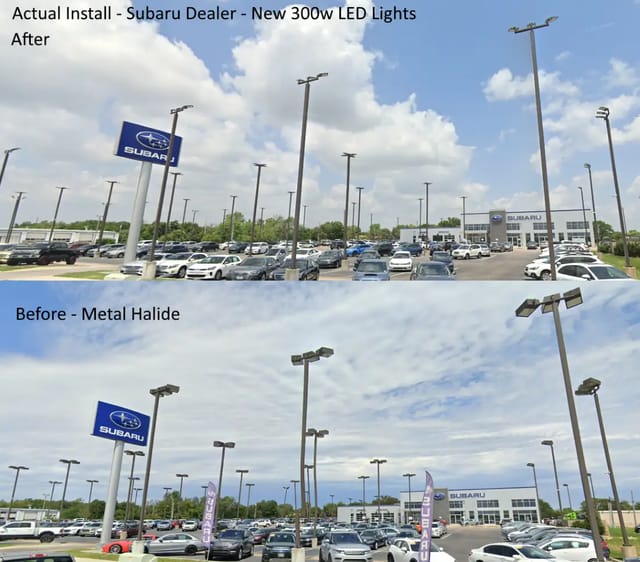
The strongest reasons to move to LED are usually energy use, maintenance, and control. LEDs can reduce wattage compared with older incandescent, fluorescent, metal halide, or high-pressure sodium systems, but the actual savings depend on fixture count, hours of use, utility rate, controls, and whether the replacement delivers the right amount of light.
Maintenance is another practical reason to upgrade. LED fixtures remove many lamp-and-ballast replacement cycles, which matters most in parking lots, warehouses, gyms, and other places where lift access is expensive. They still need normal inspection, surge protection where appropriate, and products that can handle the heat and environment.
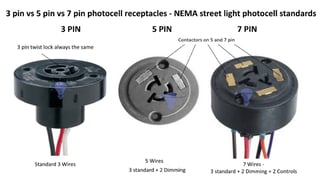
LEDs also make controls easier. Dimming, occupancy sensors, photocells, timers, and scheduling can reduce run time and improve comfort when they are commissioned correctly. Good LEDs can reduce glare and flicker, but those results are not automatic; they come from quality drivers, proper optics, compatible dimmers, and good layout.
Avoid blanket health or safety promises. LEDs still produce heat at the fixture, some products can glare or flicker, and lighting alone does not make comfort automatic. Choose by delivered light, controls, CCT, CRI, glare control, listing, and installation fit.
Frequently Asked Questions
- Why consider moving to LED lights?
- LEDs can reduce energy use, improve controls, and reduce service disruption when the product and layout fit the application.
- Do controls matter?
- Yes. Dimmers, sensors, timers, photocells, and schedules can change the value and performance of an LED project.
- What should I check before ordering?
- Check lumens, voltage, rating, mounting, controls, CCT, CRI, warranty, and installation requirements.
- When should I ask for help?
- Ask for help when wiring, photometrics, rebates, mounting, code, glare, or fixture compatibility matters.

Ready to Upgrade Your LED Lighting?
Our lighting specialists can help compare options, confirm light levels, and quote products that fit the site.
Call 800-674-9420 or email [email protected]
Monday-Friday, 8am-5pm PST

About the Author
Dara Greaney is founder and CEO of LED Light Expert with deep expertise in commercial LED lighting, retrofits, and photometric planning.
Editing by David Peguero

Trusted by Thousands
Our customers love us — and we love them back.


-
 Free Shipping
On orders over $49.00
-
 Free Extended Warranty
Up to 7 Years Free Warranty On LED Lights
-
100% Satisfaction Guarantee
