Gas stations are more than just fueling points—they’re key locations where drivers look for safety, convenience, and clarity. One of the biggest factors influencing a driver’s experience is the quality of lighting under the canopy. Bright, dependable illumination doesn’t just help customers see the pump; it also boosts the overall appearance of the station and elevates brand reputation. That’s why choosing lighting solutions that can hold up against extreme outdoor conditions is essential.
LED technology has become a go-to for modern stations, especially if you want to save energy and reduce long-term costs. However, not all LED fixtures are built the same. There’s a big difference between a standard setup and
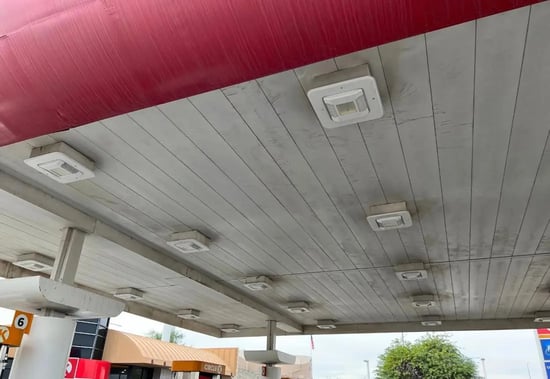
LED canopy lights for gas station use, which are engineered to weather the storms—literally.
Rain, snow, scorching sun, and powerful winds can all take a toll on any outdoor fixture. If your system isn’t designed with tough conditions in mind, you can expect issues like flickering, reduced brightness, or even complete failure when you need the light most.
Lighting that remains reliable through intense conditions is more than just a perk—it can help maintain a safe environment for both customers and employees. Clear visibility cuts down on accidents at the pump, boosts security, and keeps things looking welcoming day or night.
Weather-resistant features, sturdy construction, and an understanding of various environmental challenges all play a part in keeping these lights running at their best. This post will walk through the major weather-related threats gas station lighting faces and how canopy led lights for gas stations tackle each one.
LED technology has become a go-to for modern stations, especially if you want to save energy and reduce long-term costs.
Understanding Weather Challenges For Gas Station Canopy Lights
Gas station lighting faces an ongoing battle against the elements. From the blazing sun in summer to chilling sub-zero winters, it’s important to look at each environmental factor that could impact performance. Below are some of the top weather challenges and how LED fixtures stand up to them.
Extreme Temperatures: High Heat and Freezing Conditions
LEDs are known for their low heat output compared to older lighting technologies, but they can still suffer if the temperatures outside swing to extremes. In high-heat environments, poorly made fixtures might see degradation of internal components. Quality LEDs designed for gas stations usually include heat-dissipating housings, helping the fixture stay cool under the scorching sun.
On the flip side, freezing conditions also present challenges. Ice can form around fixtures, and internal components may behave erratically if they aren’t rated for sub-zero climates. Well-built LED units with a wide operating temperature range can function smoothly no matter how cold it gets. By using materials that resist cracking and adapters that manage power fluctuations, these specialized LEDs keep shining—even on the frostiest nights.
Heavy Rain & Flooding: The Importance of Water Resistance and IP Ratings
Rain is one of the most constant issues for any outdoor fixture, especially for a structure like a gas station canopy that sees rainwater runoff from multiple angles. Enter the IP (Ingress Protection) rating. A higher IP rating points to better safeguarding against water and dust.
For instance, an IP65 or IP66 rating indicates the fixture is sealed tightly against strong water jets and dust. This kind of sealing keeps circuits protected and helps the light function through torrential downpours or minor flooding around the base.
Snow & Ice Accumulation: Maintaining Efficiency in Cold Weather
When the snow starts piling up, gas station lights can face sudden drops in performance if they’re not prepared. Snow and ice accumulating on or around a fixture can obstruct light output. Fortunately, well-designed LEDs typically generate enough heat to keep small amounts of snow from building up directly on the lens.
And if ice does accumulate, the fixture housing should be made of materials that resist cracking or warping. The bottom line is consistent performance and bright illumination, no matter how thick the snowdrifts get.
High Winds & Storms: Impact of Wind and Sturdy Mounting Systems
High-speed winds aren’t just a hazard for the canopy structure—they can also jostle or loosen light fixtures if they aren’t properly anchored. Industrial-strength brackets and secure mounting hardware are essential for fixtures in areas prone to gusty conditions.
By using corrosion-resistant metals and strong mounting designs, these lights remain in place even when the weather acts up. A stable fixture prevents damage to the lighting unit and keeps passersby safer, too.
Altogether, understanding these weather challenges sets the stage for why
LED solutions specifically made for gas stations can be such a solid investment. They’re crafted to handle everything from scorching summers to windy autumn storms, providing consistent, high-quality illumination under real-world conditions.
For gas station lighting, you’re ideally looking for IP65 or above.
How LED Gas Station Canopy Lights Are Designed for Durability
You can’t just slap any light fixture into a busy gas station setting and hope it’ll hold up. These systems need specialized engineering to withstand constant exposure to heat, cold, rain, wind, and everything else nature throws at them. Here’s how manufacturers build LED canopy lights for gas station environments to be tough and dependable.
IP Ratings & Waterproofing
One of the first things to look at when shopping for outdoor LED fixtures is the
IP rating. This rating tells you how well a fixture keeps out solid objects (like dirt and dust) and liquids (like rainwater). Common IP ratings you’ll see include:
- IP65: Resistant to dust and protected against low-pressure water jets.
- IP66: Resistant to dust and protected against high-pressure water jets.
- IP67: Highly dust-tight and capable of withstanding immersion in water for a short time.
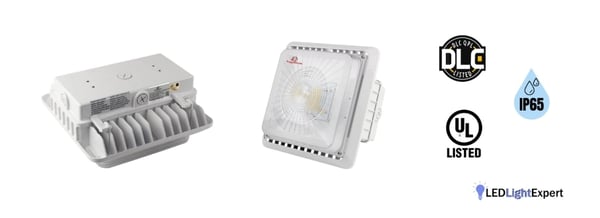
For gas station lighting, you’re ideally looking for IP65 or above. These fixtures have sealed housings that stop moisture and dust from sneaking in, which is key to preventing corrosion or electrical failures. With proper enclosures, all internal components—like the LED drivers and circuit boards—remain safe from the elements.
Heat Dissipation Technology
Even though LEDs produce far less heat than older lighting technologies, they still generate some. In harsh conditions, efficient heat management keeps the fixture from overheating. That’s why many led canopy light for gas station setups use aluminum heat sinks, which do a great job drawing away heat from critical components.
Good thermal management helps in two big ways:
- Longer Lifespan: Keeping internal temperatures down means the light can run for years without losing brightness or needing frequent maintenance.
- Consistent Performance: The fixture won’t drop in lumen output or flicker due to excessive heat, even in scorching weather.
Because LEDs run cooler than, say, metal halide or high-pressure sodium lamps, they’re already at an advantage in hot climates. Add in a well-designed housing, and you get a lighting solution that stays bright without taxing your energy bills.
Shock & Vibration Resistance
Gas stations see a fair amount of movement and, sometimes, vibration—from vehicles driving in and out to the natural shaking caused by heavy winds. Traditional HID (High-Intensity Discharge) lights can be fragile since they contain filaments or tubes that are more prone to damage. LEDs, by contrast, are built using solid-state technology. That means there’s no internal filament to break if the fixture gets jostled or bumped.
Manufacturers also add extra structural supports and shock-absorbent materials around the LED array and driver. This keeps the fixture stable, even during intense storms. If you compare LED to HID in terms of overall toughness, LEDs typically come out on top.
Corrosion Resistance
Moisture and changing temperatures can create the perfect environment for rust. That’s why the best canopy led lights for gas stations use powder-coated finishes and rust-resistant materials like stainless steel.
These components shield the fixture from corrosion, meaning it’ll look better and work better for a longer period. In places near the coast where salty air can accelerate rust, corrosion resistance becomes even more critical. You end up with lights that stay structurally sound and maintain a clean, professional appearance.
Performance Testing & Certifications for Weather-Resistant LED Lights
Before these fixtures ever see the inside of a box, reputable manufacturers put them through rigorous testing. These checks ensure they’re truly ready for real-world conditions and won’t quit after the first storm. Below are some certifications and tests that indicate a high-quality, weather-resistant LED product.
UL & ETL Certifications
UL (Underwriters Laboratories) and ETL (Electrical Testing Labs) certifications confirm that a product meets strict safety standards in the United States. These marks verify that the fixture won’t pose a fire hazard or shock risk. In the context of gas station lighting, having UL or ETL-listed products shows you’re meeting the necessary safety guidelines for electrical equipment, which also ties into insurance and regulatory compliance.
DLC (DesignLights Consortium) Standards
A DLC listing goes further than just safety; it also looks at energy efficiency and performance. DLC-rated fixtures have gone through testing to confirm they deliver on their advertised brightness and energy usage. For gas station owners, choosing a
DLC-qualified LED means taking advantage of potential utility rebates and ensuring that the fixture meets high benchmarks for lighting performance.
IK Ratings – Impact Resistance
You might see an
IK rating on some outdoor fixtures, measuring impact resistance. This tests the fixture’s ability to withstand collisions from small debris, tampering, or accidental bumps from vehicles. If your gas station is in a high-traffic area, an IK rating can be a helpful measure of how rugged a light truly is.
Temperature Range Testing
From desert-like heat to frigid winters, top-quality LEDs undergo temperature range testing to verify they can operate reliably at both ends of the spectrum. Some fixtures are rated for continuous operation in environments as cold as -40°F or as hot as 130°F. Testing for these extreme ranges ensures that your lights will work night after night, regardless of local climate surprises.
All of these certifications and tests point to one key promise: reliable illumination through thick and thin. When you see a product with multiple safety and performance markings, it’s a strong sign that the manufacturer has invested in quality. For gas station operators, that means less downtime, fewer replacements, and a better overall customer experience.
Proper maintenance is what keeps LED canopy lights for gas station areas shining bright through all sorts of weather
Best Practices for Maintaining LED Canopy Lights in Harsh Conditions
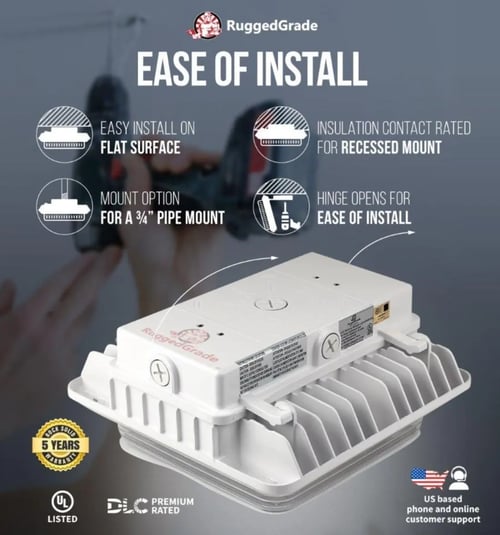
Installing high-quality fixtures is just the first step. Proper maintenance is what keeps LED canopy lights for gas station areas shining bright through all sorts of weather. While these fixtures are designed for durability, a little proactive care goes a long way.
Proper Installation Tips
Choose the Right Mounting Height and Location: The position of your LED units can significantly affect their performance. Mounting them too low may expose them to water splashes and accidental damage. Too high, and they could face increased wind stress. Striking a balanced height based on canopy architecture ensures even light distribution and fewer installation headaches later.
Use Weatherproof Junction Boxes and Wiring: Even with an IP65 or IP66 rating on your lights, water can still creep in through poorly sealed electrical connections. Weatherproof boxes, gaskets, and conduit fittings stop moisture before it reaches sensitive components. This extra layer of protection keeps things safer and extends fixture life.
Routine Maintenance Checks
Clean Lenses to Prevent Snow/Ice Buildup: Over time, dirt, debris, or even a thin layer of ice can reduce your light output. A gentle wipe with a non-abrasive cloth can help ensure the fixture’s lens stays clear. In snowy climates, it might be worth assigning someone to brush off excessive snow if it accumulates—though most LED canopies are designed to melt small amounts on their own.
Inspect Seals and Gaskets: Check for cracks or signs of wear on your fixture’s gaskets. A compromised seal can allow moisture to infiltrate, eventually causing damage. Quick replacements of worn-out seals are a cost-effective way to prevent major electrical issues down the road.
Upgrading to Smart Features
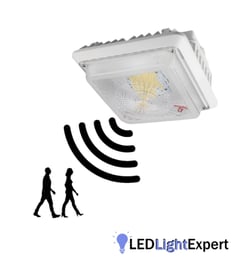
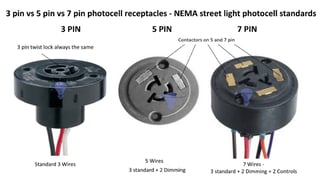
Motion Sensors for Adaptive Lighting: By setting up motion sensors, you can tailor when lights reach full brightness—like when a car pulls up to the pump—and when they dim. Not only does this conserve energy, but it also helps the fixtures run cooler, which can improve their lifespan.
Dimmable and Programmable Options: Many
modern LEDs offer advanced control features. Whether you want a schedule-based dimming system or real-time adjustments based on traffic, these smart controls can reduce overall operating costs and maintain a consistent lighting level no matter the time of day.
All these steps might seem small on their own, but they add up to a big difference in how well your lights perform over time. If you combine top-quality fixtures with thoughtful installation and upkeep, you’ll have a lighting system that keeps shining during every season.
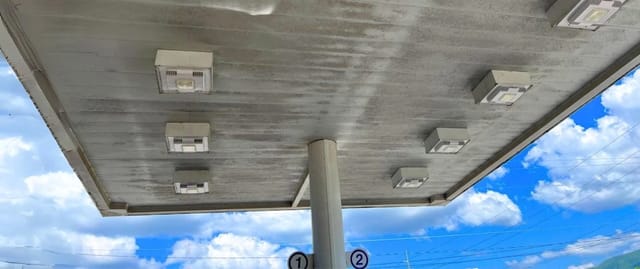
LED Canopy Lights for Gas Station Actual Install - LED Light Expert
Popular Applications for LED Canopy Lights
Although gas stations are the most obvious setting for these weather-resistant fixtures, LED canopy lights for gas station environments also work brilliantly in other spaces that require dependable overhead illumination.
Gas Stations & Convenience Stores
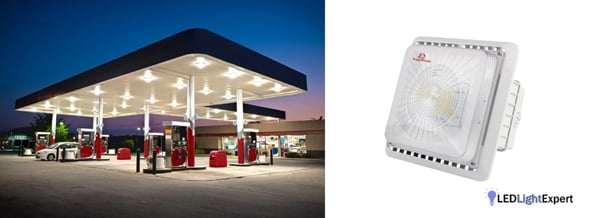
The primary arena for these fixtures is, of course, the gas station canopy. Continuous operation, harsh outdoor conditions, and a steady stream of vehicular traffic demand a lighting solution that’s both sturdy and energy-efficient. LEDs fit that role, providing clear illumination that helps drivers maneuver safely and enhances overall station appearance.
Parking Garages & Covered Lots
Covered
parking garage areas often suffer from poor visibility, especially in corners or lower levels with little natural light. Installing LED units that are rated for outdoor use can transform a dark, unwelcoming garage into a safer, brighter space. They’re also low-profile, so you don’t have to worry about fixtures protruding too far in areas with minimal clearance.
Car Washes & Auto Service Centers
Car washes deal with relentless moisture, high-pressure sprays, and chemicals. Most fixtures wouldn’t last long in such a wet, corrosive environment. Luckily, LED canopies with high IP ratings and sturdy materials stand up to water jets and humidity. Auto service centers also benefit from the clean, focused illumination LEDs provide, making it easier for technicians to spot details during maintenance.
Wherever you need overhead lighting that can handle the elements, these fixtures fit the bill. They excel not just in gas stations but in any environment that values durability, efficiency, and consistent bright light.
Conclusion
Choosing the right lighting for a gas station canopy isn’t just a matter of swapping out bulbs; it’s an investment in customer safety, brand reputation, and long-term efficiency.
Quality
led canopy light for gas station installations deliver powerful illumination while standing up to extreme temperatures, high winds, snow, and rain. They also help cut energy costs and maintenance headaches, thanks to their robust construction and advanced thermal management.
Remember, today’s competitive market demands efficiency and reliability. By adopting high-grade LED technology that meets IP65 or higher, has excellent heat dissipation, and passes stringent certifications, you’re setting yourself up for lasting success. The next time a sudden storm hits or temperatures plummet, you can trust your gas station canopy to shine brightly, welcoming each and every customer with a well-lit and secure fueling experience.






 Free Shipping
 Free Extended Warranty