

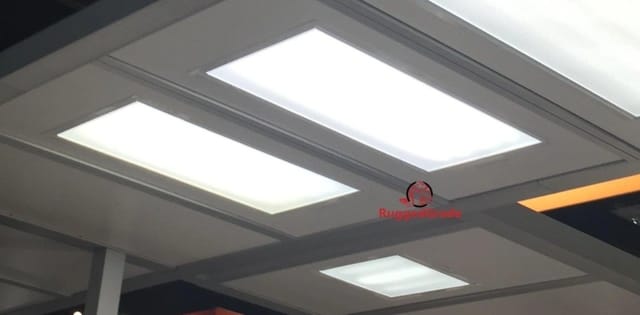
Understanding LED Troffer Lights
Definition of LED Troffer Lights
LED troffer lights are rectangular or square light fixtures designed to fit into modular dropped ceilings, commonly found in commercial buildings. The term "troffer" is a portmanteau of "trough" and "coffer," reflecting their recessed design and ability to provide broad, even illumination. Unlike traditional fluorescent troffers, LED variants use light-emitting diodes (LEDs) to deliver superior light quality, efficiency, and longevity.
Common Uses in Commercial, Educational, and Healthcare Settings
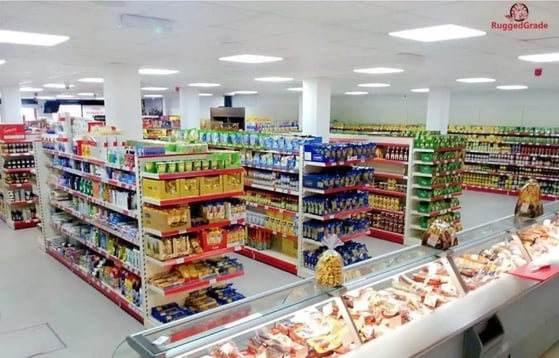
LED troffer lights are incredibly versatile, making them suitable for a wide range of applications. In commercial settings, they are often used in offices, retail spaces, and conference rooms, providing bright and consistent lighting that enhances productivity and visual comfort. Educational institutions, from elementary schools to universities, rely on LED troffer lights to create well-lit environments conducive to learning. In healthcare facilities, the importance of clear, consistent lighting cannot be overstated, and LED troffer lights are ideal for examination rooms, patient areas, and administrative offices, ensuring both staff and patients benefit from optimal lighting conditions.
Introduction to the Concept of a Troffer Light Fixture
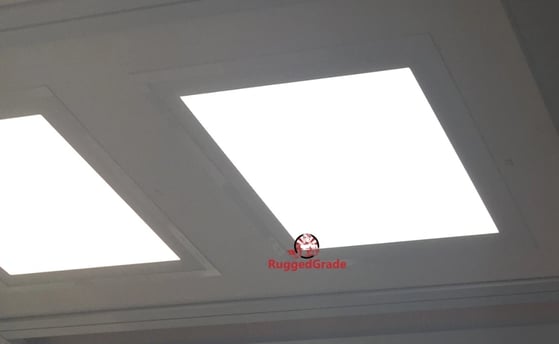
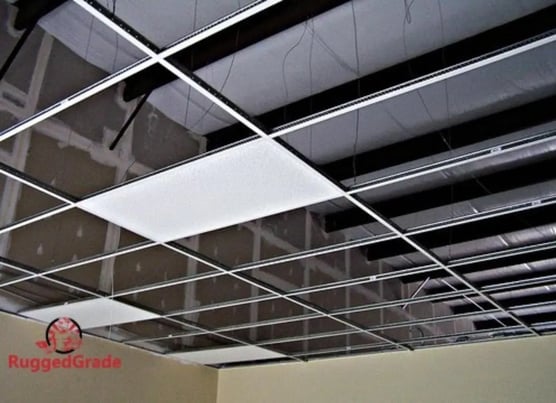
A troffer light fixture is a type of recessed lighting designed to fit into a grid ceiling. These fixtures are typically installed in a suspended ceiling grid, where they provide a clean, flush-mounted appearance. The design of troffer light fixtures ensures they distribute light evenly across the space, reducing shadows and creating a more comfortable and visually appealing environment. The shift from traditional fluorescent to LED troffer lights marks a significant advancement in lighting technology, offering improved efficiency, lower maintenance costs, and a longer lifespan.
Common Sizes of Troffer Lights
Troffer lights come in various sizes to accommodate different ceiling configurations and lighting needs. The most common sizes include:
- 2x4 (2 feet by 4 feet): This size is popular in large commercial spaces, providing ample light coverage for expansive areas.
- 2x2 (2 feet by 2 feet): Often used in smaller rooms or areas where ceiling space is limited, the 2x2 size offers a more compact solution without sacrificing light quality.
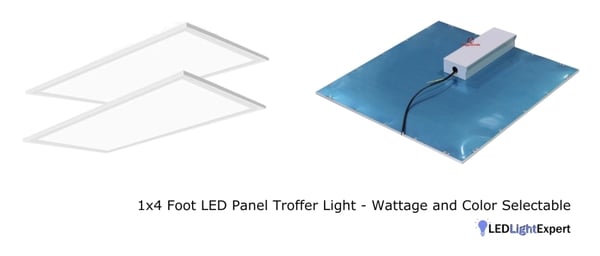
- 1x4 (1 foot by 4 feet): Ideal for narrow spaces or corridors, the 1x4 troffer light fixture provides targeted illumination in areas where wider fixtures might not fit

LED Troffer Lights
Benefits of Upgrading to LED Troffer Lights
Energy Efficiency
One of the most compelling reasons to upgrade to LED troffer lights is their remarkable energy efficiency. LED troffer lights consume significantly less energy compared to traditional fluorescent lighting. This efficiency stems from the advanced technology used in LEDs, which convert a higher percentage of electricity into light, rather than heat. As a result, LED troffer lights require less power to produce the same amount of light, leading to substantial savings on utility bills.
Longevity and Durability
Another significant benefit of LED troffer lights is their longevity and durability. On average, LED troffer lights have a lifespan of 50,000 hours or more, compared to about 10,000 hours for traditional fluorescent troffers. This means that LED troffer lights can last up to five times longer, reducing the frequency of replacements and associated labor costs.
Improved Light Quality
LED troffer lights provide superior light quality compared to their fluorescent counterparts. They offer better color rendering, which means that the colors of objects and surfaces appear more true to life under LED lighting. This is particularly important in environments where accurate color perception is crucial, such as retail stores, art studios, and healthcare facilities.
Environmental Impact
Upgrading to LED troffer lights also has a positive environmental impact. LED lights have a smaller carbon footprint compared to traditional lighting technologies. They use less energy, which means fewer greenhouse gas emissions from power plants. Additionally, LED lights do not contain hazardous materials such as mercury, which is commonly found in fluorescent lamps. This makes LED troffer lights a safer and more environmentally friendly option.
Cost Savings
The combination of energy efficiency, longevity, and reduced maintenance results in significant cost savings for those who upgrade to LED troffer lights. While the initial investment in LED lighting may be higher than traditional options, the long-term savings more than justify the cost.
Considerations Before Upgrading to LED Troffer Lights
Initial Investment
One of the primary considerations when upgrading to LED troffer lights is the initial investment. While LED lighting offers numerous long-term benefits, the upfront cost can be higher than that of traditional fluorescent fixtures. This cost includes not only the price of the LED troffer lights themselves but also potential installation expenses, especially if retrofitting is required.
Light Output and Color Temperature
Selecting the right light output and color temperature is crucial for achieving the desired lighting effects and meeting the specific needs of different environments.
When choosing LED troffer lights, it's essential to consider the lumen output, which measures the total amount of visible light emitted by the fixture. Different applications require different light levels, so selecting the appropriate lumen output is vital to ensure sufficient illumination. For instance, office spaces may require moderate light levels to reduce glare on computer screens, while retail environments might need higher lumen outputs to highlight products effectively.
Ensuring that the selected LED troffer lights provide the appropriate light levels for different environments is crucial for comfort and functionality. Overly bright or dim lighting can lead to discomfort, reduced productivity, and even health issues such as eye strain and headaches. Conducting a thorough lighting assessment and possibly consulting with a lighting designer or engineer can help determine the optimal light levels for each area within a facility.
In addition to lumen output and color temperature, the overall design of the lighting system should be considered. This includes the placement and arrangement of the troffer lights to achieve uniform illumination and avoid dark spots or overly bright areas. The design should also take into account the architectural features of the space, the activities performed within it, and any aesthetic preferences.
LED Troffer Light
What is the Difference Between LED Panel and LED Troffer?
Design and Installation
Understanding the differences between LED panel lights and LED troffer lights can help in making an informed decision about which lighting solution is best suited for a particular space.
LED panel lights are slim, flat, and typically feature a sleek, modern design that makes them aesthetically pleasing. They are available in various sizes and shapes, such as rectangular or square, and offer a minimalist look that can enhance the visual appeal of any room. On the other hand, LED troffer lights are bulkier, designed to fit within a grid ceiling system, and provide a more traditional appearance. While both types of lights offer excellent illumination, their structural differences can influence the overall ambiance and design of a space.
The installation methods for LED panel lights and LED troffer lights also differ significantly. LED panel lights are highly versatile, allowing for various installation methods, including surface-mounted, suspended, or recessed installations. This flexibility makes them suitable for a wide range of ceiling types and applications. Whether you have a solid ceiling, a drop ceiling, or an open ceiling, LED panel lights can be adapted to fit the specific requirements of the space.
Performance and Applications
When it comes to performance, both LED panel lights and LED troffer lights offer high-quality illumination, energy efficiency, and long lifespans. However, their applications may differ based on their design and installation characteristics. LED panel lights are often used in spaces where a sleek, modern look is desired, such as contemporary offices, retail stores, and residential areas. Their flexibility in installation makes them suitable for various ceiling types and applications.
What is a Drop Ceiling?
A drop ceiling, also known as a suspended ceiling, is a secondary ceiling hung below the main (structural) ceiling. This type of ceiling is popular in commercial buildings, schools, and hospitals due to its ease of installation and maintenance, as well as its ability to conceal ductwork, pipes, and electrical wires.
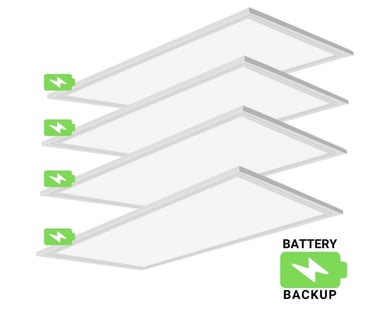
LED Troffer Lights with Battery Backup Included
LED Troffer Lights
Conclusion
Upgrading to LED troffer lights is a decision that brings numerous benefits, from energy efficiency and cost savings to improved light quality and environmental sustainability. While the initial investment and considerations around light output, color temperature, and design are important, the advantages of LED troffer lighting far outweigh these challenges. Whether you are looking to enhance the lighting in a commercial office, educational institution, or healthcare facility, LED troffer lights provide a reliable, efficient, and high-quality solution.
LED Troffer Lights: Buyer and Maintenance Checks
A good decision on LED troffer lights starts with the real installation conditions, not just the product name. Check the application, mounting height, voltage, light level, glare, controls, wet or dust exposure, service access, and whether a photometric layout or qualified installer is needed before ordering.
| Check | Why it matters |
|---|---|
| Application | Confirms the fixture, lamp, control, or accessory fits the actual space and task. |
| Mounting and wiring | Prevents fit, voltage, access, and safety problems during installation. |
| Controls and maintenance | Protects energy savings, usability, troubleshooting, and long-term performance. |
Frequently Asked Questions
- What is a troffer light?
- A troffer is a recessed rectangular or square fixture designed for drop ceiling grids. Common sizes are 2x4, 2x2, and 1x4. LED troffers are widely used in offices, schools, healthcare spaces, and commercial interiors.
- Are LED troffer lights better than fluorescent troffers?
- Usually, yes. LED troffers use less energy, start instantly, avoid fluorescent lamp and ballast maintenance, and are available with selectable wattage, selectable CCT, 0-10V dimming, and emergency battery options. The correct choice still depends on ceiling type, light level, glare, and controls.
- What is the difference between an LED panel and an LED troffer?
- LED panels are thin, flat fixtures that can be recessed, suspended, or surface mounted. LED troffers are deeper fixtures built specifically for recessed ceiling grids. Panels often look sleeker; troffers may offer stronger optical control, serviceability, or higher lumen packages.
- What color temperature is best for office troffers?
- Most offices use 3500K or 4000K for a balanced neutral white. Healthcare, inspection, and task-heavy areas may use 4000K to 5000K. Selectable-CCT troffers are useful when the final room preference is uncertain.

Ready to Upgrade Your LED Lighting?
Our lighting specialists can help compare options, confirm light levels, and quote the right products for your project.
Call 800-674-9420 or email [email protected]
Monday-Friday, 8am-5pm PST

About the Author
Dara Greaney is founder and CEO of LED Light Expert with deep expertise in commercial LED lighting, retrofits, and photometric planning.
Editing by David Peguero

Trusted by Thousands
Our customers love us — and we love them back.


-
 Free Shipping
On orders over $49.00
-
 Free Extended Warranty
Up to 7 Years Free Warranty On LED Lights
-
100% Satisfaction Guarantee
