Outdoor LED flood lights work hard throughout the year. They provide visibility, security, and peace of mind for homes and businesses, and they sit in some of the most demanding environments a luminaire will ever see. As the rainy season approaches, preparing these fixtures is one of the smartest ways to extend their lifespan and keep maintenance costs down.
Weatherproofing protects the internal components from moisture, reduces the chance of corrosion, and keeps long term performance stable. A few small steps today can prevent water damage, electrical failures, and unnecessary replacements later — and they directly influence the L70 lifetime you read off the spec sheet, because IES TM-21 projections assume the luminaire keeps its gasket integrity and thermal path intact.
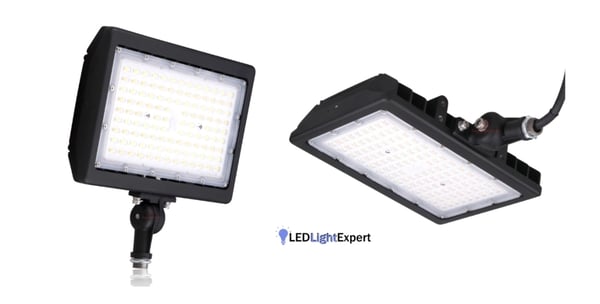
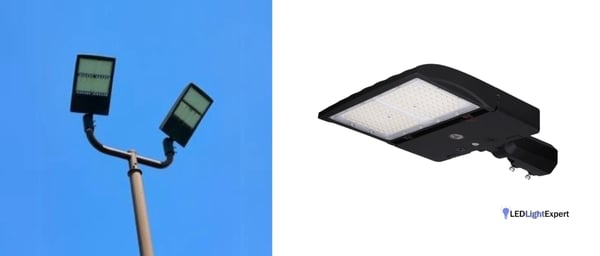
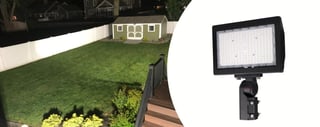
150 Watt NextGen IV Series LED Flood Light with photocell — 22,500 lumens, 5000K.
Why Outdoor LED Flood Lights Need Weatherproofing
LED flood lights sit in some of the harshest environments on a property. They face everything from scorching heat to cold air, dust, insects, high humidity, and severe rainstorms. Fixtures installed near coastal areas deal with salt in the air and must pass ASTM B117 salt spray testing to hold up. Fixtures in agricultural or industrial zones may face chemicals, debris, or heavy wind, and all of this affects the lifespan of the housing, lens, and electrical components.
Rain and humidity are the biggest threat
Even high quality waterproof outdoor LED flood lights are not immune to wear. Over time, the rubber gaskets that form a tight seal can dry out or crack — compression set failure is the single most common reason an IP66 fixture starts admitting water. Screws loosen through thermal expansion and vibration, wiring insulation becomes brittle, and once moisture finds an entry point, damage begins slowly and continues out of sight.
Corrosion is another issue
When water enters the fixture, rust forms on metal parts, including brackets, screws, and internal components. Corrosion harms structural strength and leads to failures such as cracked housings or broken mounting arms. It also weakens electrical connections, which increases the risk of shorts or power loss — which is why marine-grade fixtures are specified to hold color and integrity through 1,000 hours of ASTM B117 salt fog exposure.
Short circuit risk rises sharply with moisture
Short circuit risks rise sharply with moisture exposure. If water contacts the driver or wiring, the fixture may flicker, dim, or stop working altogether. A strong storm can wipe out a fixture that was already weakened by small gaps in its seals, and the resulting arc fault can trip upstream breakers or damage the branch circuit feeding a whole run of floods.
Brightness and clarity decline without weatherproofing
Brightness and clarity also decline without weatherproofing. Moisture inside the lens can create fog or condensation that blocks or distorts the beam, and the internal film left behind by repeated condensation cycles can permanently cut 10-20% off effective output. Dirt and debris build up where the housing is not sealed correctly, and over time the performance of the light drops and visibility suffers.
Even a single LED flood light benefits from preventive care. Every outdoor LED flood light performs better and lasts longer when it is protected from rain, storms, humidity, and daily wear. This is especially important before the rainy season, when the mix of moisture and wind creates the perfect environment for water intrusion.
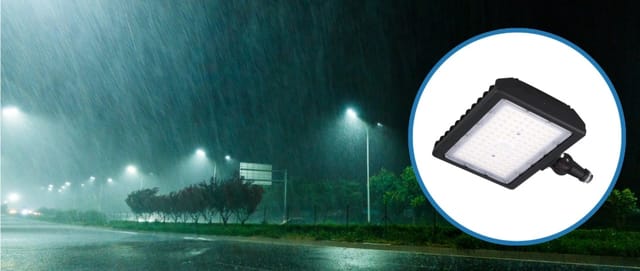
LED flood lights — rain and humidity create the biggest threat to service life.
Understanding IP Ratings for Weather Protection
IP ratings provide a simple way to measure how well a light can resist dust and water. IP stands for Ingress Protection, and the system is codified in IEC 60529. Every rating has two numbers: the first measures protection against solids like dust (0-6 scale), and the second measures protection against water (0-9K scale). The higher the numbers, the better the resistance.
For outdoor LED flood lights, the most common ratings are
IP65, IP66, and IP67. These are the standards used to judge whether a fixture can handle rain, storms, and wet environments, and they map directly to the IEC 60529 test procedures your specification sheet references.
| IP Rating |
Solids Protection |
Water Protection (IEC 60529 test) |
Best Application |
| IP65 |
Dust tight |
Low-pressure jet, 6.3 mm nozzle at 30 kPa, 12.5 L/min |
Covered patios, porches, light rainfall areas |
| IP66 |
Dust tight |
Powerful jet, 12.5 mm nozzle at 100 kPa, 100 L/min |
Parking lots, rooftops, storm-prone regions |
| IP67 |
Dust tight |
Temporary submersion, 1 m depth for 30 minutes |
Low-lying yards, coastal installations, flood zones |
IP65
IP65 fixtures can handle rain and low pressure water jets. This rating works well for most general outdoor areas. If the fixture sits under a roof, on a porch, or in a location with light rainfall but little standing water, IP65 usually performs well. Many homeowners choose IP65 because it offers good basic protection without extra cost, and it is the minimum rating UL 1598 recognizes as a "wet location" listing.
IP66
IP66 handles strong water exposure, including high pressure spray and wind driven rain. This rating works better for open areas where storms hit directly. Driveways, parking lots, rooftops, and exposed building exteriors often use IP66 because it provides stronger protection, and the 100 kPa jet test simulates the hydraulic pressure created by 50+ mph wind-driven rain against a flat lens. If your region gets frequent storms or extended periods of heavy wind, IP66 is the safer choice.
IP67
IP67 allows temporary submersion. This does not mean the light can sit underwater permanently, but it does mean it can survive conditions like pooling rainwater or short term flooding — specifically, submersion up to 1 meter for 30 minutes per IEC 60529. Low areas in a yard that collect water after storms, coastal properties with salt spray, and industrial areas with heavy moisture exposure benefit from IP67 fixtures.
Choosing the right rating depends on your climate and the exact placement of each fixture:
- A covered patio may only need IP65.
- An exposed yard in a storm prone region might need IP66.
- A spot at the bottom of a sloped driveway that often pools water after rain may require IP67.
- A coastal home with salt air, fog, and heavy winds usually performs best with IP66 or IP67 paired with NEMA 4X enclosure compliance and marine-grade powder coating.
Understanding IP ratings helps you protect waterproof outdoor LED flood lights from early wear. The rating you choose directly affects how long the fixture will stay bright, stable, and safe throughout the rainy season, and it is the single most important spec-sheet number to verify before you buy.
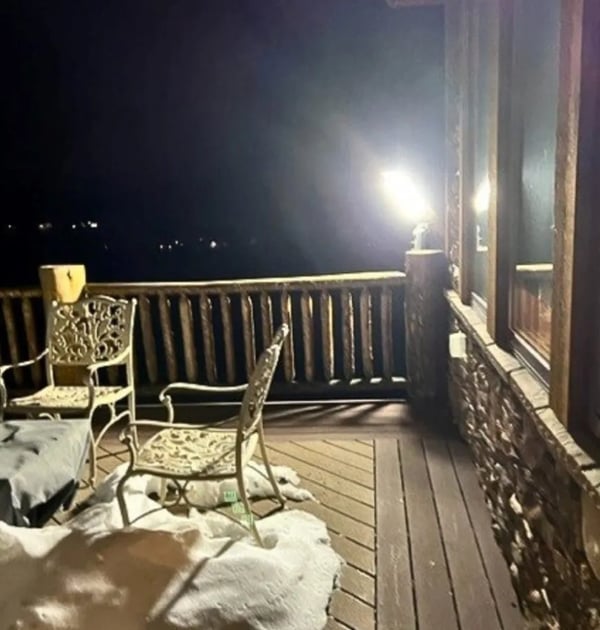
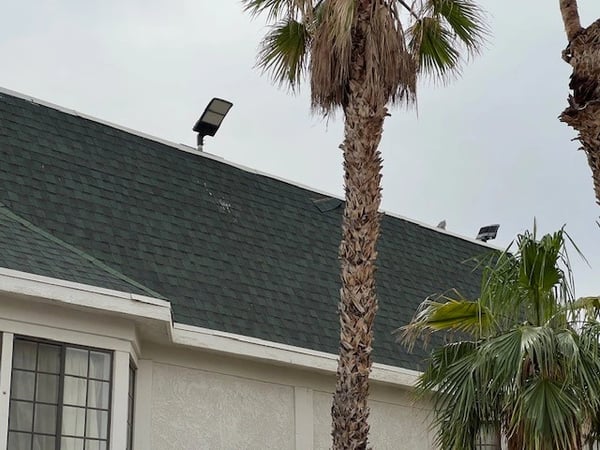
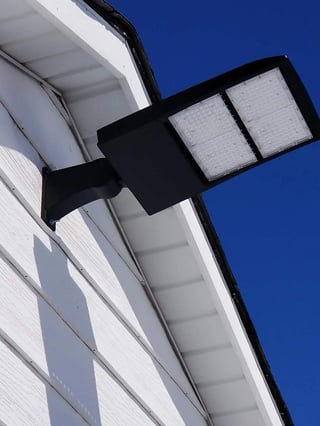
LED outdoor light installation during a snowy day — LED Light Expert.
Key Weatherproofing Features to Look For
Strong seals and quality housing materials are essential for keeping water out of the fixture.
Outdoor LED flood lights face constant pressure from shifting temperatures, wind, and rain, so the housing must stay stable even as materials expand and contract. Look for fixtures with silicone or EPDM rubber gaskets rated −40°F to 185°F that stay flexible across both hot and cold weather, because gaskets outside that window tend to take a permanent set and lose sealing force.
A tight compression seal keeps the housing closed firmly so moisture cannot slip through small openings. Aluminum housings are a good choice because they resist rust better than untreated steel and hold up well over time — die-cast 6063-T5 aluminum is the industry standard for commercial flood fixtures.
Corrosion resistant coatings add another layer of protection in humid or coastal environments. Salt air and constant moisture can eat into metal parts quickly. A fixture with a durable powder coated finish or marine grade coating can resist rust for many years, and the ASTM B117 salt spray test — 1,000 hours of continuous 5% NaCl mist at 95°F — is the qualifying benchmark for marine-grade specification. This keeps screws, mounting brackets, and joints secure even after long exposure to harsh weather.
A fully enclosed driver is one of the most important features in any outdoor LED flood light. The driver controls the flow of electricity, so any amount of water reaching this component can shut down the entire fixture. An enclosed driver isolates sensitive electronic parts from moisture and air, and the best commercial drivers are fully potted to IP67 so condensation inside the driver compartment cannot reach the circuit board. This design reduces the risk of flickering, dimming, and sudden failure during storms.
Surge protection is another detail worth paying attention to. Many regions experience power spikes during lightning and heavy rain. Without surge protection, a single power fluctuation can destroy the internal circuitry of an outdoor LED flood light. Built in protection rated 10 kV/5 kA or higher per ANSI/IEEE C62.41 Category C safeguards your system and reduces replacement costs over time — critical in regions with frequent thunderstorm activity or unstable utility feeders.
UV resistant lenses help maintain clarity and brightness. Sunlight can yellow or cloud plastic lenses. Once a lens yellows, the beam becomes weaker and less effective. UV-stabilized polycarbonate or tempered glass resists that process, keeping the fixture bright and clear through years of direct sun exposure, and tempered glass is preferred for coastal or high-UV climates because it does not yellow at all.
These features work together to protect outdoor LED flood lights from weather, electrical issues, and gradual wear. A fixture built with these protections will stay safer, brighter, and more reliable through the rainy season and beyond. Quality weatherproofing also reduces maintenance time because the fixture will not need constant attention or frequent part replacements.
Without surge protection, a single power fluctuation can destroy the internal circuitry of an outdoor LED flood light.
How to Inspect and Prepare Existing LED Flood Lights
A full inspection before the rainy season helps prevent most moisture related failures. Even a simple walkthrough can catch issues that would otherwise lead to damage once heavy rain arrives. Regular checks are easy to perform and can extend the life of every fixture on your property, and annual pre-season inspection is what most manufacturer warranties assume when they publish a 5-year or 10-year coverage period.
Start with a basic waterproofing checklist:
- Clean the exterior of each fixture so the housing is easy to inspect. Use a soft cloth or brush to remove dirt, dust, spider webs, and plant debris. Build up on the surface can hide cracks or small openings where water might enter. Cleaning also improves light output by clearing the lens — a dusty lens can cut output 15% before you notice visually.
- Check all screws, brackets, and fasteners for looseness. Outdoor fixtures expand and contract throughout the year. Over time, screws loosen and brackets shift slightly. Tighten every screw to the manufacturer torque spec (typically 20-25 in-lb for M5 gasket screws) and look for rusted hardware. Loose brackets let the fixture move during storms, which increases strain on seals and wiring.
- Look closely for cracks in the housing or lens. Even small cracks can allow moisture inside the fixture. Check the corners of the housing, the edges of the lens, and any areas that appear faded or worn. Cracks often start where the fixture has been hit by debris or exposed to strong sunlight for years, and hairline cracks in polycarbonate lenses typically appear first at the fastener bosses.
- Inspect wiring points, conduit fittings, and junction boxes. Water often enters through the wiring rather than the housing. Make sure conduit connections are tight and free of gaps. Look for cracked insulation, exposed copper, or rust inside junction boxes — all three violate NEC Article 300.5 wet-location requirements. Replace any parts that look corroded or fragile.
- Test each light to confirm stable brightness with no flicker or delay. Turn each light on and let it run for a few minutes. Watch for dim spots, flickering, or delayed startup. These can be early signs of moisture damage, wiring issues, or a failing driver. Fixing the problem early can prevent a full fixture failure once heavy rain begins.
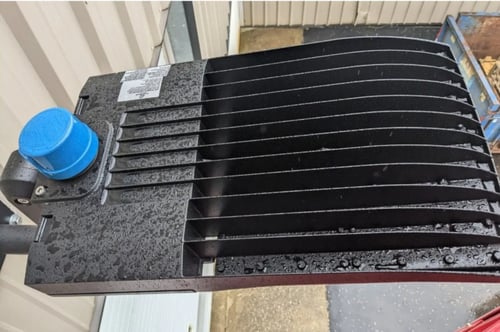
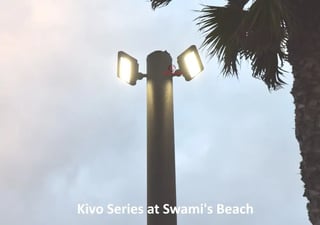
120W Kivo II CS Series LED Floodlight — 17,400 lumens, color selectable.
Gaskets are one of the most important parts to check
These rubber or silicone seals keep water out of the fixture. Over time, they can dry out, warp, or crack — the failure mode engineers call compression set. If your fixture design allows you to open it, inspect every gasket carefully. The edges should feel flexible, not brittle. A dry or flattened gasket will not create a tight seal. Tighten the housing so the seal sits flush without gaps. Even a small opening can let moisture inside during the first heavy storm, and once an IP66 gasket fails the fixture is effectively IP20 until it is replaced.
Wiring should be checked next
Look for any exposed copper, damaged insulation, or cracked conduit. Water reaching these points can cause a short or complete fixture failure. Make sure conduit connections are tight and junction boxes are sealed with a listed wet-location connector or dielectric grease. If you see rust inside a junction box, clean it thoroughly and replace any damaged connectors or screws. Corrosion grows quickly once it begins, so early intervention matters.
Mounting brackets need close attention in high-wind areas
Mounting brackets need close attention, especially in areas with strong winds. Brackets that have been exposed to rain and vibration may start to bend or loosen. A fixture that shifts in the wind is more likely to let water in through stressed seals. Tighten every screw and replace any bracket that shows cracking or rust. A secure fixture holds its position and withstands heavy rainfall much better, and in hurricane-prone zones Miami-Dade NOA certification (large missile impact) is a sensible upgrade over stock brackets.
Spend a few minutes inspecting each fixture now to avoid hours of repair work later. A small adjustment today can prevent water intrusion during the first major storm. Waterproof outdoor LED flood lights last significantly longer when they are checked and maintained regularly. These simple steps help keep each fixture bright, safe, and ready for the rainy season.
A full inspection before the rainy season helps prevent most moisture related failures.
Benefits of Switching to Commercial Grade Outdoor LEDs
Upgrading to commercial grade outdoor LED systems brings long term value, especially in regions where storms, humidity, and heavy rainfall return year after year. These fixtures are engineered with stronger materials, tighter seals, and better electrical protection. This makes them more reliable on properties that cannot afford lighting outages or frequent replacements, and it is why every DLC Premium qualified outdoor flood fixture is required to pass IEC 60529 IP66 minimum plus 10 kV surge protection.
Commercial grade fixtures often use heavier die-cast aluminum housings that resist impacts and corrosion more effectively than budget grade models — typical wall thickness is 2.5-3.5 mm versus 1.0-1.5 mm on consumer fixtures. This matters in wet climates because moisture will always find weak points. A durable housing reduces those risks and stays stable even after long exposure to rain, sun, and fluctuating temperatures. Brackets, screws, and joints are built with stronger coatings, helping prevent the rust that commonly appears on lower cost fixtures.
Many commercial grade outdoor LED flood lights come with higher IP ratings. This gives you better defense against water jets, heavy rainfall, and standing water, and commercial fixtures commonly carry IP66/IP67 dual ratings with NEMA 4X compliance for additional chemical and saltwater resistance. Properties that deal with drainage issues, high winds, or coastal spray benefit from stronger IP protection because it keeps the internal components safe. Better materials also limit fading, mildew growth, and UV damage.
Driver protection is another advantage. Commercial grade lights typically use drivers that are enclosed more completely — fully potted in two-part epoxy or thermally conductive silicone to block moisture and improve heat dissipation. This keeps moisture out and prevents the failures that happen when water reaches sensitive electronic parts. A protected driver helps keep the light stable during storms and supports longer operating life. Many higher end fixtures also include surge protection rated 10-20 kV to handle lightning activity and unstable power grids.
Consistent brightness is a major benefit of quality fixtures. Cheaper lights often dim or flicker during humid weather or after repeated exposure to rain. Commercial grade designs maintain steady illumination because their components are shielded more effectively, and the better thermal design keeps junction temperature below 85°C even in summer, which is the threshold IES TM-21 uses to project L70 lifetime. They continue to perform even when conditions change quickly, which is important for safety lighting, security areas, parking lots, and high traffic spaces.
Longevity also plays a big role in value.
Commercial grade outdoor LED systems last longer and require fewer repairs. They reduce energy waste, maintain steady output, and support long replacement intervals — typically 100,000-150,000 hours L70 versus 25,000-50,000 for consumer grade. Instead of replacing fixtures every season or repairing weather damage over and over, you get a reliable system that stays bright through many rainy seasons, and the total cost of ownership gap widens every year in favor of the commercial fixture.
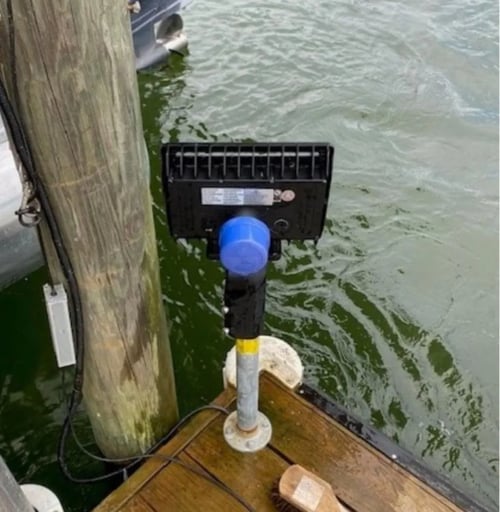
LED flood light near water installation — LED Light Expert.
Conclusion
Preparing your lighting system before heavy rain protects your investment and helps keep your property safe. Weatherproofing reduces electrical problems, limits corrosion, and keeps your outdoor LED flood lights performing at a high level. Simple steps such as checking gaskets, cleaning fixtures, tightening brackets, inspecting wiring, and verifying seals make a measurable difference in how well your lights endure the rainy season. Quality materials and regular care work together to keep your lighting stable year round.
Take time to protect your fixtures now so they continue working when you need them most. Even a small amount of preparation helps extend the life of every outdoor LED flood light on your property. If you want stronger performance and better durability, consider upgrading to commercial grade fixtures with IP66 or IP67 ratings, fully potted drivers, 10 kV surge protection, and marine-grade ASTM B117-qualified coatings.
A good weatherproofing your outdoor led flood lights decision starts with the real installation conditions, not just the product name. Check the application, mounting height, voltage, light level, glare, controls, wet or dust exposure, service access, and whether a photometric layout or qualified installer is needed before ordering.





 Free Shipping
 Free Extended Warranty