


Driverless LEDs, often called DOB or driver-on-board LEDs, put the current-control electronics on the LED board instead of using a separate replaceable driver. That can reduce cost and size, but it also raises tradeoffs around heat, surge protection, dimming, serviceability, voltage range, and long-term reliability. They can make sense in low-cost bulbs or small fixtures, but commercial parking lot, high bay, and outdoor fixtures usually benefit from a separate quality driver.
Where Driverless LEDs Make Sense
Driver-on-board designs can make sense in small lamps and lower-cost fixtures where compact size matters and replacement is simple. They are less attractive for parking lots, high bays, sports courts, and other commercial fixtures where surge protection, dimming, serviceability, and long operating hours matter.
What to Check Before Buying DOB Products
- Confirm the input voltage, dimming method, surge protection, thermal design, and safety listing.
- Ask whether the product is serviceable if the electronics fail.
- For commercial fixtures, compare DOB against a fixture with a replaceable driver before deciding that the lower initial cost is worth it.
How do Driverless LEDs work? Driver on Board or DOB technology
More Details to Consider
How do LEDs work without a Driver?
Driverless LEDs, also known as Driver on Board or DOB technology, are a type of LED light that does not need a separate driver to control the electrical current and supply clean DC power to the LED. Instead, they use a high voltage integrated circuit with regulating and switching chips to intelligently adjust the number of LEDs in a string during an AC line cycle so that the voltage of the LED string matches the instantaneous AC line voltage. This way, they can directly connect to the AC mains without any external driver modules.
Read about What is an LED driver to learn more about full size drivers. If you need to go way back to ballasts, learn about why LEDs use a driver and not a ballast.
Driverless LEDs have some advantages and disadvantages compared to traditional LEDs that use drivers.
Some of the advantages of DOB are:
• They are more compact and lightweight, as they do not need extra space or weight for the driver.
• They are more cost-effective, as they do not need additional components or labor for the driver.
• They have a higher power efficiency, usually above 99%, meaning that more of the power makes it to the LED board. That compares with isolated LED drivers at about 95% and non-isolated drivers at about 98%.
Some of the disadvantages of DOB are:
• They are more sensitive to power fluctuations, as they do not have any protection or regulation from the driver.
• They are more difficult to dim, as they do not have any dimming control from the driver.
• They are more prone to overheating, as they do not have any thermal management from the driver.
• Easy to build, but this can lead to lower quality in the marketplace where it is difficult to test or tell the difference.
• They are limited to a single voltage, such as just 120v, where drivers can do a range, say 90-277v and work fine in any voltage in that range.
• They are not serviceable. If the DOB fails, the whole fixture and light must be replaced. Full-size drivers are serviceable. The driver can often be changed without taking down the fixture, and the fixture can be reused. That is better environmentally and economically.
Driverless LEDs are becoming more popular in some applications, such as T8 bulbs, which are replacements for the 4' long fluorescent tubes that you see in homes and businesses. These bulbs can benefit from the lower cost and size of driverless LEDs, while still providing adequate and efficient lighting. However, for other applications, such as parking lot lights or high bay lights, driverless LEDs may not be suitable, as they may compromise on performance, quality, and safety.
Therefore, before you buy driverless LEDs, you should consider your needs and preferences carefully. You should also look for reputable and certified products that meet the standards and requirements of your location and project.
See our article on isolated vs non isolated LED drivers to see how much better isolated is.
What products have DOB in them?
Lots of products already use driver-on-board technology to save money. Almost all products under $30 retail will have to use them to reach the price points. Some examples of products that have DOB technology in them are:
• LED Bulbs: Small light bulbs have them already; they are just using a cheap way of controlling the power. It can be hard to find a bulb under 20 watts that does not use DOB.
• Solar lights: small solar lights you see around houses will not have a driver. This is also one of the reasons these constantly fail; the main reason is poor or overworked batteries, but failed circuitry is also an issue.
• T8 LED bulbs: T8s are replacements for the 4’ long fluorescent tubes that you see in homes and businesses throughout the world. Fluorescent T8 bulbs emit UV and IR light that LEDs essentially do not. That UV fades colors in fabrics and signage and contributes to eye strain and eye fatigue, which is a major reason for LED retrofitting - LEDs are the cleaner, safer replacement path when the product is correctly installed. T8 bulbs, along with T5, T12 and other variations, are now being replaced by LEDs. With 18 watts of LED output and a retail price dropping below $6, the manufacturers have focused on these to cut costs. Going DOB is a good way to do that.
• Security flood lights: Those 2 and 3 head lights around the house only need 10-30 watts and thus will likely use DOB at the lower end of the scale.
• Wall Lights: Any wall light under 50 watts will likely use DOB
• LED Flood Lights: flood lights under 100 watts are heavily moving to DOB for lower costs and smaller profiles.
How Will it Affect the LED bulbs & LED Fixtures?
From a consumer standpoint you can expect to see smaller and cheaper LED Light fixtures and bulbs, but if the quality of the driverless LEDs is high, no real difference will be felt. If they end up like cheap solar lights, we will end up with failures and a whole new wave of negative reviews and feedback of LEDs. For those of us selling the lights, it will feel like 2010 all over again. Back then there were a slew of failures and problems that resulted in negative publicity. Most consumers backed off and decided not to be in the early adopter phase.
Look out for a wave of DOB LEDs in both bulbs and fixtures, but be wary. Using chips to regulate electricity is easy to do, but very hard to do well. That distinction will be hard to know.
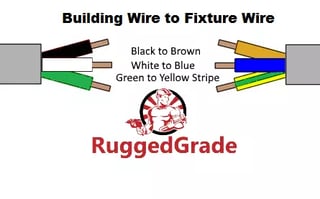
Wiring Color Codes What Does Brown Blue Green Stripe Mean LED Lighting Guide Wiring Color Codes: What Does Brown, Blue, Green Stripe Mean?
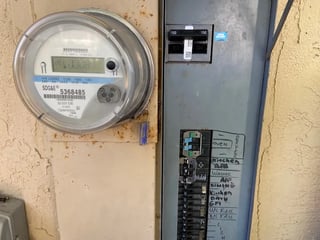
How to Calculate the Amp and Power Load of LED Lights LED Lighting Guide Calculating the Amp Load of LED Lights and Understanding Your Power Load and Breakers.
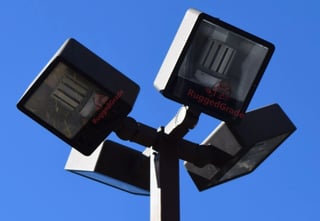
400W Metal Halide Lumens: LED Equivalents and Energy Savings LED Lighting Guide Discover how many lumens a 400W metal halide produces, the LED equivalents, and how to compare replacements.
Ready to Upgrade Your Lighting?
Our LED lighting experts can help you find the right fixtures for your project.
Call 800-674-9420 or email [email protected]
Monday–Friday, 8am–5pm PST

Tagged Products



Trusted by Thousands
Our customers love us — and we love them back.


-
 Free Shipping
On orders over $49.00
-
 Free Extended Warranty
Up to 7 Years Free Warranty On LED Lights
-
100% Satisfaction Guarantee
