California has some of the strictest energy regulations in the United States, and lighting is no exception. Anyone involved in building, renovating, or selling lighting products in the state eventually comes across three key terms: JA8, Title 24 California, and Title 20. These standards are not just technical checkboxes. They represent California’s broader push for energy efficiency, consumer safety, and environmental responsibility.
Compliance with these rules isn’t optional. Without it, manufacturers can’t bring products to market, contractors risk failing inspections, and homeowners may find their projects delayed or rejected. Beyond approvals, meeting these requirements also helps reduce energy use, cut costs over time, and ensure safer lighting in homes and businesses.
Lighting standards in California aren’t just about saving electricity. They touch on everything from how long a bulb lasts to whether it flickers in a way that could cause eye strain. For anyone working in the industry — manufacturers, contractors, or consumers — it’s important to understand how each regulation fits together.
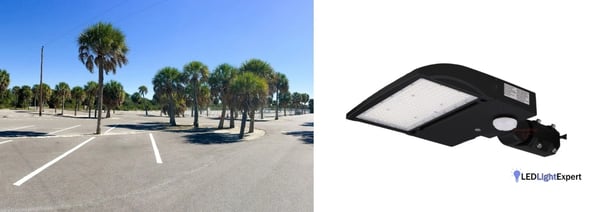
JA8, Title 24 California, and Title 20 represent California’s broader push for energy efficiency, consumer safety, and environmental responsibility.
Understanding California Lighting Standards
The Role of the California Energy Commission (CEC)
At the center of California’s approach to energy efficiency is the California Energy Commission (CEC). Established in the 1970s, the CEC has become one of the most influential energy regulators in the United States. Its responsibilities include forecasting future energy needs, supporting renewable energy development, and setting standards for buildings and appliances — including lighting.
The CEC’s mission isn’t limited to writing rules. Every regulation is tied to broader state goals of reducing greenhouse gas emissions, improving air quality, and cutting energy consumption. Lighting is a key part of this effort because it’s one of the most visible and widespread uses of electricity in both homes and businesses.
California has also positioned itself as a testing ground for new energy policies. Many of the technologies and efficiency benchmarks that start in California eventually spread nationwide. For example, early adoption of compact fluorescent lamps (CFLs) and, later, LEDs was encouraged through these policies, years before they became mainstream across the U.S. This leadership role forces manufacturers to stay agile, but it also keeps California ahead in sustainability and innovation.
Why These Standards Matter
- Manufacturers must design and certify products that meet energy and performance benchmarks before those products can even enter the California market. This means lamps and fixtures sold in the state are held to a higher bar for quality and efficiency than in many other parts of the country.
- Contractors and builders must select and install fixtures that comply with code requirements. If they don’t, projects can fail inspections, delaying occupancy permits and raising costs. The codes effectively standardize what “acceptable” lighting looks like in new construction and major renovations.
- Consumers often don’t think about compliance when buying lightbulbs, but they reap the benefits. Certified products last longer, operate more efficiently, and provide better color quality and safety. Over time, this translates to lower electricity bills and fewer replacements.
These rules may look complex on paper, but their impact is straightforward: they save money and improve quality. According to state energy reports, California’s efficiency standards for lighting have already saved billions of dollars in energy costs. They’ve also reduced the strain on the state’s electrical grid, helping avoid shortages during peak demand and cutting carbon emissions at the same time.

According to state energy reports, California’s efficiency standards for lighting have already saved billions of dollars in energy costs.
What is JA8?
Definition and Purpose of JA8
JA8, short for
Joint Appendix 8, is a section of the Title 24 California Code of Regulations that sets performance requirements for residential lighting. It was introduced to push lighting products beyond simple efficiency and into higher quality performance standards. While Title 24 broadly governs building energy efficiency in the state, JA8 zeroes in on lighting used in homes.
In practice, JA8 is a stamp of approval. Products that meet these criteria are marked as JA8-compliant and are used to satisfy residential high-efficacy lighting requirements in new construction and major remodel projects. For permitted work, confirm the exact product listing and the applicable code cycle before installation.
High-Efficacy Residential Lighting
JA8 applies specifically to high-efficacy lighting in residential applications. High efficacy means more light output per watt consumed. This helps California meet its energy reduction targets while giving homeowners lighting that lasts longer and performs better. In practical terms, JA8-qualified LEDs routinely hit 80–100+ lumens per watt at the lamp level, compared to roughly 12–15 LPW for the incandescent bulbs they replaced.
Requirements Under JA8
For a product to earn the JA8-compliant label, it must meet a series of technical requirements designed to balance energy efficiency with user experience. Unlike simple efficiency standards that only measure how much power a lamp consumes, JA8 goes further by addressing how the light actually performs in everyday settings.
Dimmability. All JA8-certified fixtures and lamps must be compatible with standard dimmers. This ensures that homeowners can adjust brightness levels depending on the activity — bright light for cooking, softer light for relaxing in the evening. Without dimmability, a fixture may save energy but limit comfort. By requiring this feature, JA8 makes energy-efficient lighting more adaptable and user-friendly. Most residential circuits use forward-phase (leading-edge) TRIAC dimmers; JA8-compliant drivers must track smoothly across the dimming range without flickering, buzzing, or snap-off at low levels.
Color Rendering Index (CRI 90+). Light quality is just as important as efficiency. The
Color Rendering Index (CRI) measures how accurately a light source shows colors compared to natural daylight. A minimum CRI of 90 is required for JA8 certification, which means skin tones look natural, fabrics show their true colors, and spaces feel more comfortable. Many cheaper or non-compliant bulbs fall short in this area, making colors appear dull or distorted. California’s higher bar ensures that efficiency doesn’t come at the expense of aesthetics or functionality. The CRI 90 floor is paired with an R9 red-saturation minimum that catches LEDs that hit overall CRI by underweighting deep reds.
Flicker Limits. Invisible or barely visible
flicker in lighting can lead to headaches, eyestrain, and discomfort, especially when people spend long hours under artificial light. JA8 sets strict flicker limits to protect health and improve overall lighting quality. This is especially valuable in residential spaces where people read, study, or work from home. By reducing flicker, JA8-compliant lights provide a steadier and more comfortable environment. The limits align with IEEE 1789 guidance, capping percent flicker at low frequencies where the stroboscopic effect is most visible.
Start-Up Times. Consumers expect lights to turn on instantly, regardless of the room temperature. JA8 requires bulbs to start quickly and reliably, even in cold conditions where older technologies like compact fluorescents often struggled. This standard eliminates the frustration of waiting for a lamp to “warm up” and ensures that LEDs meet the same performance expectations as traditional incandescent bulbs while being much more energy-efficient. Qualified drivers stabilize within 500 milliseconds of switch-on.
Taken together, these requirements make JA8 products not only efficient but also high-performing in real-world use. They address issues that consumers care about, like how the light looks, how quickly it responds, and how comfortable it is to live with, while still advancing California’s energy goals.
Where JA8 Applies
JA8 rules are enforced in residential new construction and major remodels. This means if a builder is putting up a new house or doing a significant renovation, any high-efficacy fixtures or lamps installed must meet JA8 standards. Over time, this requirement has shifted the entire residential lighting market, as manufacturers produce more JA8-certified products to stay competitive.
What is Title 24?
Definition of Title 24
Title 24 California refers to the state’s Building Energy Efficiency Standards, a set of codes created by the
California Energy Commission. These rules cover far more than lighting, extending into HVAC systems, insulation, windows, and other building elements that affect energy use. The code is updated on a roughly three-year cycle, with the 2025 Energy Code in effect for permit applications made on or after January 1, 2026. Projects permitted earlier may still follow the code cycle accepted by the local authority having jurisdiction.
Scope of Title 24
Title 24 applies to both residential and nonresidential buildings, making it one of the broadest and most influential building codes in the country. It doesn’t just look at products in isolation. Instead, it considers how lighting, heating, cooling, and other systems interact to create an overall efficient building. Compliance is demonstrated by either the Prescriptive path (meet every mandatory and prescriptive requirement) or the Performance path (whole-building energy model with a Time Dependent Valuation budget).
Focus Areas for Lighting
For lighting, Title 24 addresses several areas:
- Indoor and Outdoor Lighting Requirements. Lighting Power Density (LPD) budgets govern how many watts per square foot you can install — standards apply to everything from office spaces and warehouses to backyards and parking lots. Outdoor LPDs are allocated by lighting zone (LZ0 dark-sky through LZ4 urban).
- Lighting Controls. Occupancy sensors, daylight harvesting, multi-level or continuous dimming, and automatic scheduling are often required to cut down on wasted energy. Title 24 goes further than most codes by requiring networked controls in larger commercial spaces.
- Integration with Building Systems. Title 24 ensures that lighting doesn’t operate in a silo. It must be part of the larger energy strategy of a building, often tied to HVAC and other performance measures. Demand-responsive controls are required in many commercial lighting installations so utilities can send setback signals during peak grid stress.
Relationship to JA8
JA8 is essentially a subset of Title 24. While Title 24 California covers all aspects of building energy performance, JA8 specifically defines what qualifies as compliant residential lighting. Builders working on new homes must meet JA8 requirements as part of their broader Title 24 compliance.
By tying JA8 to Title 24, California ensures that the residential sector contributes to statewide energy efficiency goals while also raising the standard for everyday lighting quality.
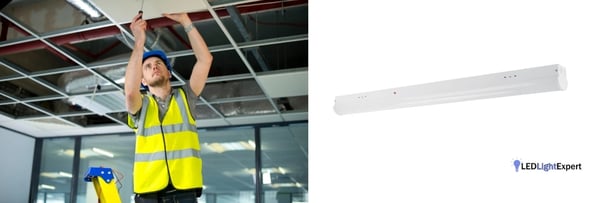
Title 24 applies to both residential and nonresidential buildings, making it one of the broadest and most influential building codes in the country.
What is Title 20?
Definition of Title 20
Title 20 is California’s Appliance Efficiency Regulations, overseen by the California Energy Commission. While Title 24 California focuses on buildings, Title 20 regulates the efficiency of appliances and certain consumer products sold in the state, including lighting.
Scope of Title 20
Title 20 applies to all products sold or offered for sale in California, whether they are manufactured in-state or imported from elsewhere. That means if a company wants to market or distribute a lamp, portable luminaire, or other regulated product in California, it must first meet Title 20 requirements. The regulation covers general-service LEDs, state-regulated small-diameter directional lamps, state-regulated LED lamps, and certain HID and fluorescent product types.
Focus Areas for Lighting
For the lighting industry, Title 20 emphasizes:
- Minimum Energy Efficiency Standards. Lamps and luminaires must meet strict energy performance benchmarks — typically expressed as minimum lumens per watt at specified color temperatures — before entering the California market.
- Product Labeling. Clear labeling ensures that consumers know which products meet efficiency requirements, helping them make informed choices. The Lighting Facts label, lumens, wattage, estimated annual energy cost, and life expectancy must all be visible on the package.
- Portable Luminaires. Even smaller, portable fixtures fall under Title 20, preventing inefficient products from slipping through regulatory gaps. Desk lamps, floor lamps, and decorative fixtures are all in scope.
Certification Requirement
Perhaps the most critical aspect of Title 20 is that products must be CEC-certified before they can be sold or marketed in California. This requirement forces manufacturers to submit products for testing and approval, ensuring compliance before distribution. For manufacturers, skipping this step can mean fines, market bans, or forced recalls. The CEC maintains the Modernized Appliance Efficiency Database System (MAEDBS), a public-facing database where every certified model is searchable by brand, model number, and product category.
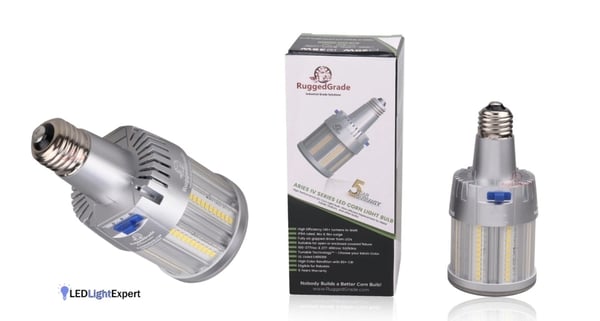
LED light bulbs certified under California Title 20 appear in the CEC’s MAEDBS database before they can be sold in state.
Why These Standards Matter
For Manufacturers
Compliance with JA8, Title 24, and Title 20 directly shapes product design. From CRI levels and flicker control to dimmability and labeling, manufacturers must build products to meet California’s demands. While this increases upfront development costs, it also drives innovation and often creates products that perform better nationwide. Many spec sheets we read through for distributor onboarding now list California CEC/Title 20 compliance as a standard attribute alongside DLC Premium and ENERGY STAR.
For Contractors and Builders
Contractors and builders face building inspections tied to the Title 24 California Code of Regulations. If the fixtures they install aren’t JA8- or Title 20-certified, the project may not pass inspection, delaying occupancy permits and adding costs. By using compliant products from the start, contractors can avoid headaches and keep projects moving forward. Title 24 inspections rely on the installer filling out an NRCA-LTI form documenting controls, photocells, and luminaires — keep the CEC listings on hand for every fixture ordered.
For Consumers
Consumers benefit most directly from these standards, even if they never read the regulations. The lights in their homes and businesses are safer, longer lasting, and more energy-efficient because of these codes. Over time, this reduces electricity bills and minimizes maintenance costs.
In the bigger picture, these standards contribute to California’s climate goals by lowering energy demand and reducing greenhouse gas emissions.
“Every watt saved in California lighting is a step toward a cleaner grid and a more sustainable future.” — Bill G., General Manager at LED Light Expert
Compliance Tips
Navigating JA8, Title 24 California, and Title 20 requirements can feel overwhelming, but a structured approach makes it manageable. These steps help manufacturers, contractors, and consumers avoid costly mistakes and stay compliant.
Check for JA8 Certification Logos
When selecting residential LED bulbs or fixtures, look for the JA8 marking. This label indicates that the product meets requirements for dimmability, high CRI, flicker control, and start-up times. For new construction or major remodels, using products without this certification will likely result in failed inspections. Packaging will typically list the JA8 compliance date alongside the CEC certification number.
Meet Title 24 Lighting Control Standards
Title 24 California Code of Regulations doesn’t stop at the type of fixture. It also dictates how lighting is controlled. This includes occupancy sensors in certain rooms, daylighting controls in spaces with natural light, and dimmers in common areas. Contractors should review these control requirements early in the planning process to avoid redesigns or compliance issues later.
Verify Title 20 Listings Before Purchase
Regulated lighting products sold or offered for sale in California must be certified in the California Energy Commission’s MAEDBS database when Title 20 applies. Verifying that products appear in this database before purchase ensures they are legal to install and sell. This step is especially critical for contractors sourcing large volumes of lighting.
Work With Reputable Suppliers
Partnering with suppliers who stay current with CEC updates helps avoid delays. Reputable distributors often provide documentation and proof of compliance for JA8, Title 24 California, and Title 20. They can also guide contractors and builders toward products that meet the latest revisions. If you have any question, don’t hesitate to reach out —
request a free project consultation and we’ll pull the right JA8/Title 20 listings for you.
Conclusion
California’s lighting standards — JA8, Title 24 California, and Title 20 — may seem like a maze of acronyms, but together they form a framework that benefits everyone.
- JA8 sets high-quality performance benchmarks for residential lighting.
- Title 24 California Code of Regulations ensures entire buildings use energy wisely, including lighting and controls.
- Title 20 sets product-efficiency and certification requirements for covered products sold in California.
For manufacturers, these rules drive innovation and shape product design. For contractors and builders, they define what can be installed in homes and businesses. For consumers, they mean safer, longer-lasting, and more energy-efficient lighting.
California has long been a leader in energy policy, and these standards reflect the state’s push toward a cleaner, more sustainable future. The lessons learned here often set the stage for national standards. By staying informed and working with compliant products, the lighting industry, and the people it serves, continue moving forward.
If you have any questions about which fixtures meet the latest revisions, don’t hesitate on
giving us a call.
A good decision on JA8 vs Title 24 vs Title 20 starts with the real installation conditions, not just the product name. Check the application, mounting height, voltage, light level, glare, controls, wet or dust exposure, service access, and whether a photometric layout or qualified installer is needed before ordering.






 Free Shipping
 Free Extended Warranty