

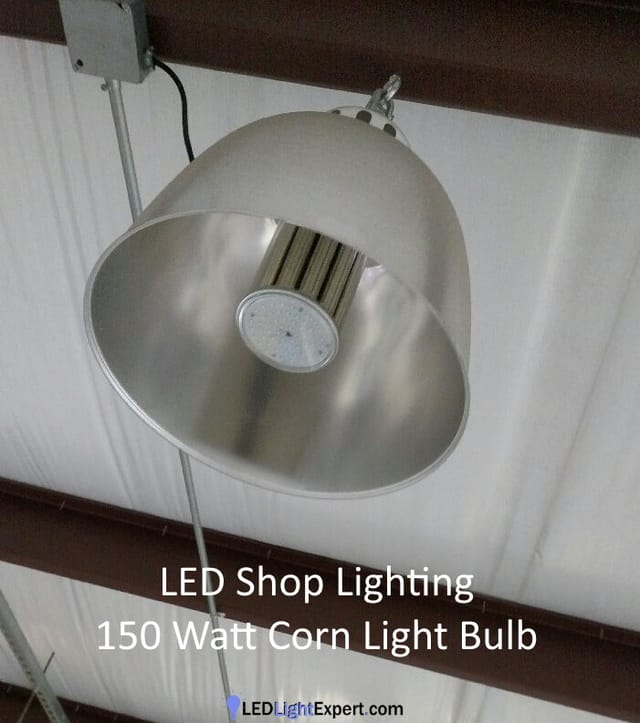
Get To Know the Benefits of LED Light Bulbs
Posted by Dara Greaney on 10/12/2017 to
LED Lights
You should understand the benefits of LED lights if you need some motivation to switch these alternatives, as against traditional incandescent lights. Some of these new products with LEDs are built to look like the old A19 bulbs, but many of them have no looks and shapes to take advantage of what LEDs can do.
(0) Comments
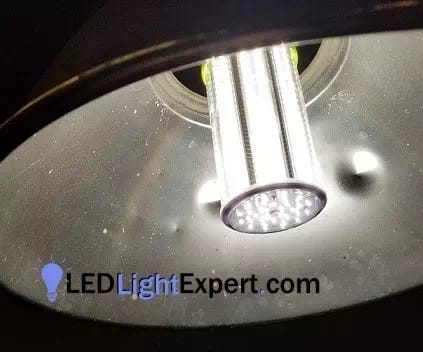
What Do You Want To Learn About LED Retrofit Lights?
Posted by Dara Greaney on 9/12/2017 to
LED Light Bulbs
When someone identifies LED Retrofit lights as the most viable option for upgrading existing lighting at home or office, he/she will generally get a lot of questions in mind. Let us find the answer to some of these questions.
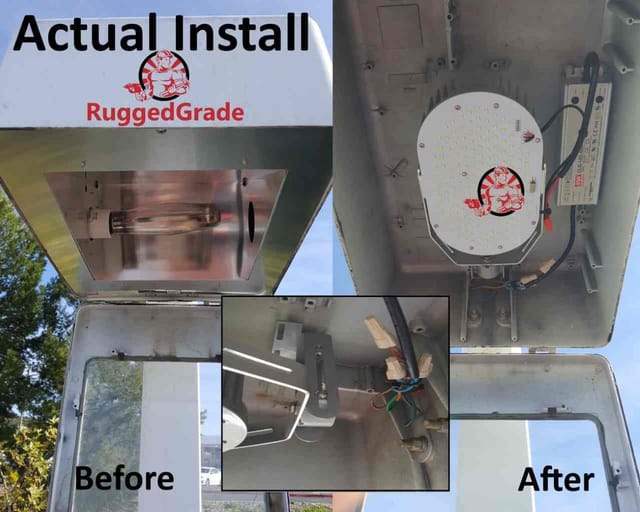
What is a Ballast and How Does It Differ from an LED Driver
Posted by Dara Greaney on 9/11/2017 to
LED Light Bulbs
What is a Ballast and Why Do LEDs use a driver instead.
When light bulbs were a new invention, a device was placed within the bulbs.They were called ballasts and controlled electricity flow. Today's LED fixtures and LED light bulbs use a driver to do the same thing, just at a much more precise level.
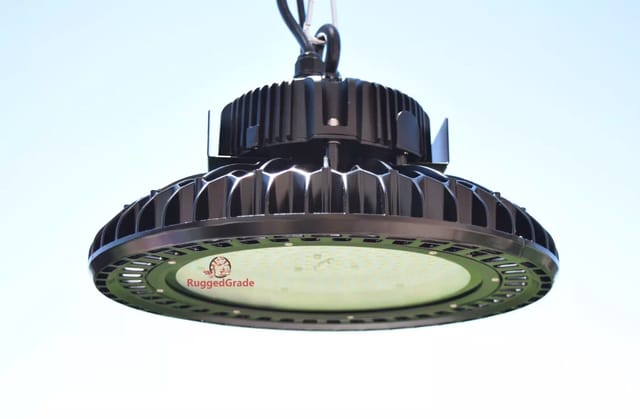
LED Color Spectrum and Color Rendering Index (CRI) Guide
Posted by RIck R on 6/5/2017 to
LED Lights
CRI is defined as how a light source makes the color of an object appear to human eyes and how well subtle variations in color shades are revealed. It’s really how well a light bulb shows true colors. The Color Rendering Index (CRI) is a scale from 0 to 100 percent. It indicates how accurate a given light source is when it comes to rendering color when compared to a reference light source. The better color rendering ability depends on higher CRI.

Do You Need a Ballast for LED Lights?
Posted by Dara Greaney on 5/23/2017 to
LED Lights
What is a Ballast and Why They are Not Used in LED Lights
When light bulbs were a new invention, a device was placed within the bulbs. The purpose of this device was to limit the amount of current in an electrical circuit. This device is known as a Ballast. If this was not used in the light bulbs and T8 light bulbs (tube Lights), there remained a risk of current rising to a destructive level. Ballast is still used in bulbs and tube lights to avoid current rise in the lights. Metal halide, mercury vapor, and HID are also the prime examples of lights using ballasts.
Today ballasts are going away in favor of LED Drivers.

240V and 3-Wire LED Wiring Diagrams | Photocell & Ballast Bypass Explained
Posted by Dara Greaney on 4/27/2017 to
LED Parking Lot Lights
240 Volt 3 wire (split phase) Ballast Bypass Wiring or 240vac ballast bypass
So you are trying to change to LED Lights with 240volt but now you have 2 hot wires and a neutral/ground coming out of the building. How does this even work? Where is my return? What do I connect to? We have some answers for you.

What Are DLC Lights, and Why Should You Choose DLC Listed Lighting?
Posted by Dara Greaney on 4/21/2017 to
LED Light Bulbs
DLC Lights
Have you heard of DLC lights and don’t know what is means? We are here to tell you more about DLC lights and why you should choose it. Let’s take a closer look at DLC lights.
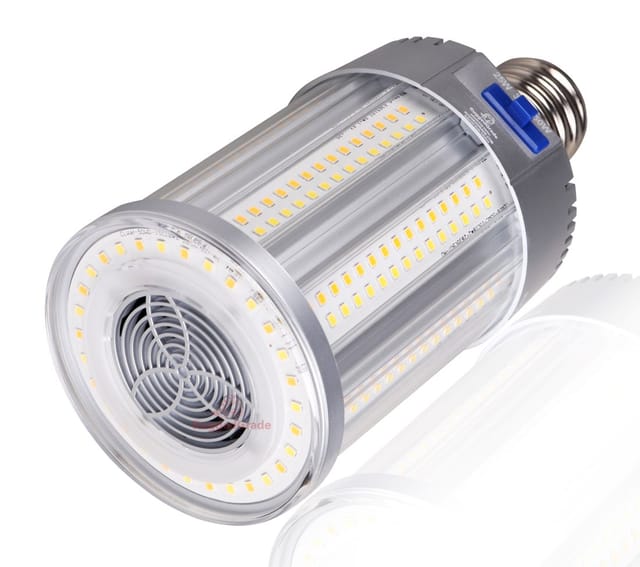
Learn About Different LED Light Bulb Shapes and Types
Posted by Dara Greaney on 4/7/2017 to
LED Lights
Learn About Different LED Light Bulb Shapes and Types
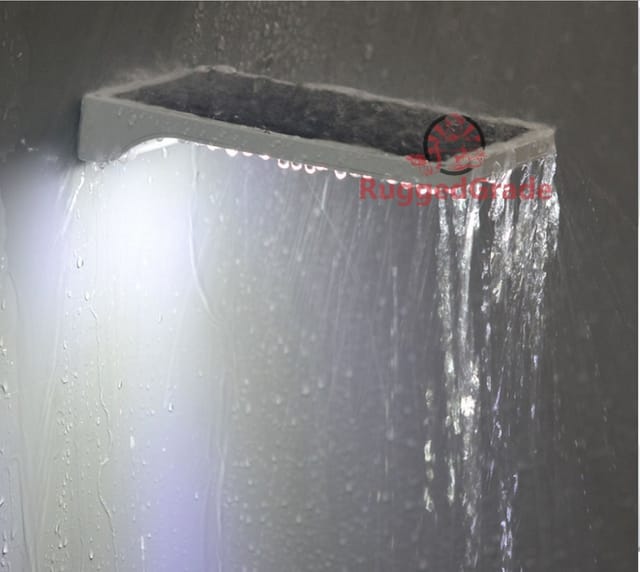
LED Light Waterproof or IP Ratings Explained
Posted by Dara Greaney on 2/10/2017 to
LED Lights
Light Waterproof Ratings Explained. Ingress Protection (or IP Ratings) Explained
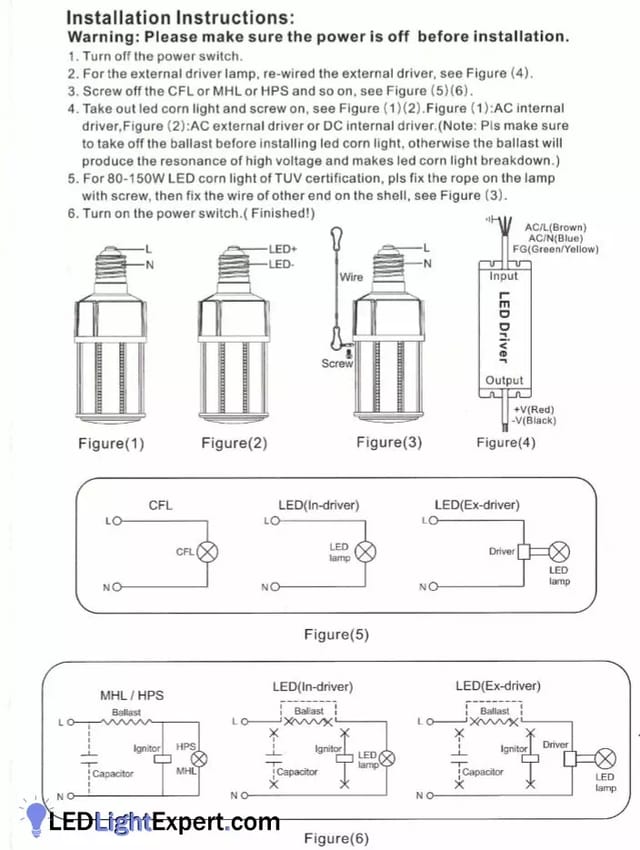
Corn Light Wiring Instructions with Ballast bypass diagrams
Posted by Dara Greaney on 10/19/2016 to
LED Lights
Corn Light Wiring Instructions with Ballast bypass diagrams
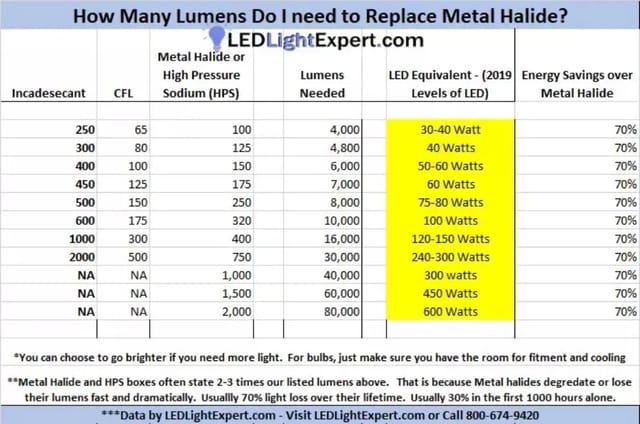
400W Metal Halide Lumens: LED Equivalents and Energy Savings
Posted by Dara Greaney on 10/16/2016 to
LED Lights
Understanding the right LED replacement for a 400W metal halide bulb is key to maximizing energy savings and performance. In this in-depth blog from LED Light Expert, we break down how LED equivalents compare in terms of lumens, efficiency, and long-term cost savings. Learn why metal halide bulbs lose brightness over time and how LEDs provide consistent, high-quality illumination with significantly lower energy consumption. Whether you're upgrading parking lot lights, warehouse lighting, or commercial fixtures, this guide will help you choose the best LED replacement to reduce maintenance costs and improve overall lighting efficiency.

Call us Toll Free at 800-674-9420 for the Best in Lighting Design & Assistance. Please use Ext 1 for sales or lighting design help. Para Espanol Extension 7. For Hours & More Click Here- Contact
Trusted by Thousands
Our customers love us — and we love them back.


-
 Free Shipping
On orders over $49.00
-
 Free Extended Warranty
Up to 7 Years Free Warranty On LED Lights
-
100% Satisfaction Guarantee
